
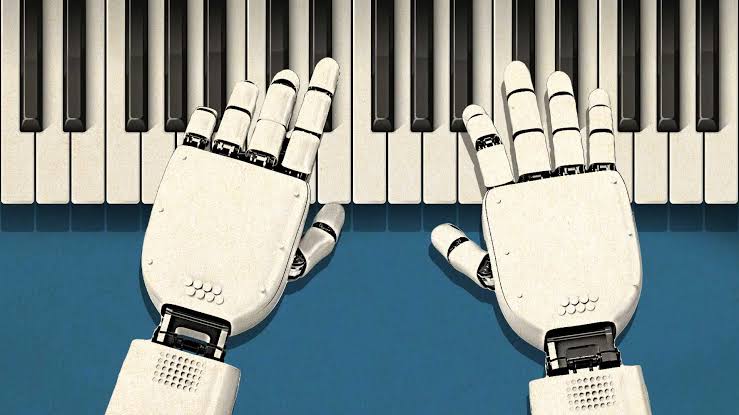
The rise of artificial intelligence has sparked one of the biggest debates the music industry has faced since the arrival of streaming. As AI-generated songs, virtual artists, and automated production tools become increasingly sophisticated, many are asking the same question: Is AI the end of music as we know it, or the beginning of something entirely new?
For some artists and industry professionals, AI represents a genuine threat. Concerns about copyright infringement, voice cloning, job displacement, and the flooding of streaming platforms with machine-generated content have raised difficult questions about creativity and ownership. Many musicians worry that technology could eventually devalue human artistry by making it easier and cheaper to create music at scale.
At the same time, others see AI as simply the latest tool in music’s long history of innovation. Every major technological shift from electric guitars and synthesizers to digital audio workstations and streaming platforms was initially met with skepticism. Yet each ultimately expanded what artists could create and how audiences could experience music.
Supporters argue that AI is not replacing creativity but enhancing it. Producers can use AI to generate ideas, speed up workflows, experiment with sounds, and overcome creative blocks. Independent artists now have access to tools that once required expensive studios and large teams, potentially democratizing music creation in unprecedented ways.
The key distinction may be between music made by AI and music made with AI. While algorithms can generate melodies, lyrics, and instrumentals, many listeners still value the emotional experiences, personal stories, and cultural perspectives that human artists bring to their work. Music has always been about more than sound, it’s about connection, identity, and shared experience.
For genres like Afrobeats, hip-hop, jazz, and folk music, cultural authenticity remains a major factor. AI may be able to imitate a style, but it cannot truly replicate the lived experiences, communities, and histories that shape artistic expression. A machine can learn patterns; it cannot live a life.
The future of music will likely involve a balance between human creativity and artificial intelligence. Artists who embrace the technology while maintaining their unique voices may find new opportunities to innovate, while the industry continues to develop frameworks around copyright, ethics, and compensation.
Rather than signaling the end of music, AI may represent the beginning of a new creative era one that challenges artists, labels, and listeners to redefine what originality means in the digital age.
The question may not be whether AI will replace musicians. The more important question is how musicians will use AI to create the next generation of music.
As the technology continues to evolve, one thing remains clear: people don’t just listen to songs. They connect with stories, emotions, personalities, and experiences. That human connection has been at the heart of music for centuries and it may prove to be the one thing artificial intelligence can never truly replicate.