
There was a time when the song was everything.
You made a hit, the world reacted, and the rest followed. But in today’s music landscape, the drop the release itself is only the beginning. What happens around the music often matters more than the music alone.
Welcome to the branding era.
In a system driven by constant content and shrinking attention spans, platforms like TikTok, Instagram, and YouTube have reshaped how artists are discovered, consumed, and remembered. A song can go live globally in seconds but without a strong identity attached to it, it can disappear just as fast.
Because music doesn’t exist in isolation anymore.
It exists in context.
Branding is what creates that context. It’s the story, the aesthetic, the personality, the tone everything that surrounds the sound and gives it meaning. It answers the questions listeners don’t always ask directly: Who is this? What do they stand for? Why should I care?
In a saturated market, those answers matter.
A great song might get you attention. But a clear brand is what makes people stay.
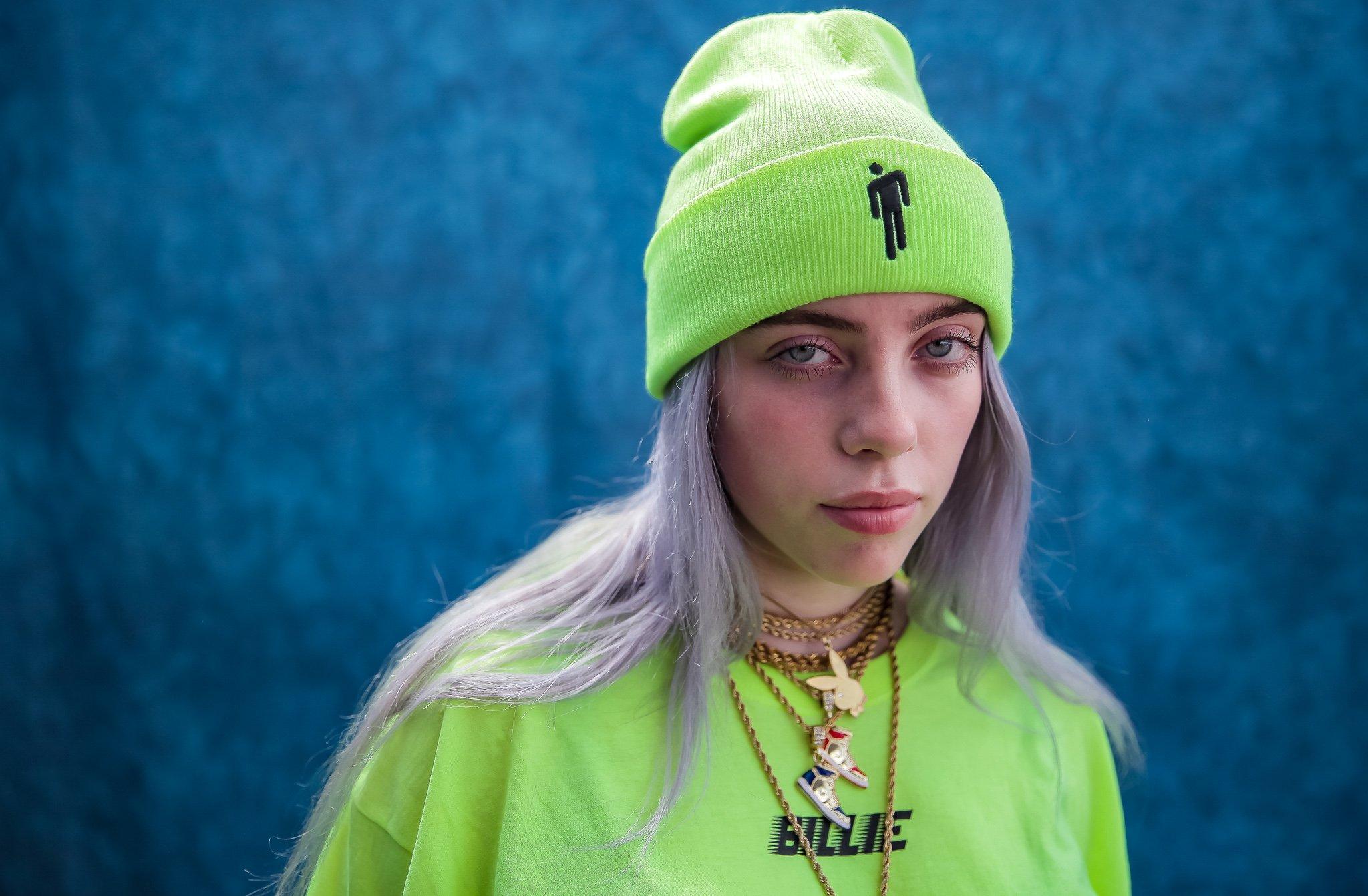
That’s why artists today are building worlds, not just records. Visuals, fashion, language, messaging it all works together to create a consistent experience. The most successful artists aren’t just recognizable by their sound, but by their presence. You can identify them before the music even starts.
That’s branding.
And it travels faster than sound.
On social media, a look, a phrase, or a moment can circulate independently of the song itself, pulling new audiences into the artist’s orbit. The music then becomes part of a larger ecosystem one piece of a broader identity that fans engage with daily.
This shift has changed how success is built.
Artists are no longer just competing on charts they’re competing for mindshare. For relevance in timelines, conversations, and culture. Branding becomes the differentiator in a space where production quality is increasingly accessible and talent is widely distributed.
Because when everyone can make good music, what stands out is who you are.
There’s also a business reality behind this.
Strong branding creates leverage. It opens doors beyond music into fashion, partnerships, live experiences, and brand deals. It turns artists into platforms, capable of monetizing not just their songs, but their identity. In many cases, the brand becomes more valuable than the catalog itself.
That’s the real shift.
Music is the entry point.
Branding is the engine.
But this doesn’t mean the music doesn’t matter.
It means the role of music has evolved. It’s no longer the sole driver of an artist’s career, it’s part of a larger system that includes storytelling, visuals, and consistent engagement. The best artists understand this balance. They don’t sacrifice the quality of the music they amplify it through identity.
Because when branding is aligned with sound, it creates something powerful:
Recognition.
Connection.
Loyalty.
Of course, there’s a risk.
When branding outweighs substance, the music can feel secondary replaceable, even. Audiences may engage with the persona, but without strong records to support it, that engagement fades. The challenge is maintaining depth in both areas building a brand that’s compelling, and music that justifies it.
That balance is where longevity lives.
In the end, the drop still matters.
But it’s no longer the whole story.
Because in today’s music economy, people don’t just buy into songs.
They buy into artists.
And the ones who last are the ones who understand that what surrounds the music can be just as powerful as the music itself.