Wireless Festival has always thrived on spectacle. Big names, bigger crowds, and a reputation as one of Europe’s defining hip-hop stages. But in 2026, the spectacle moved offstage and everything else collapsed around it.
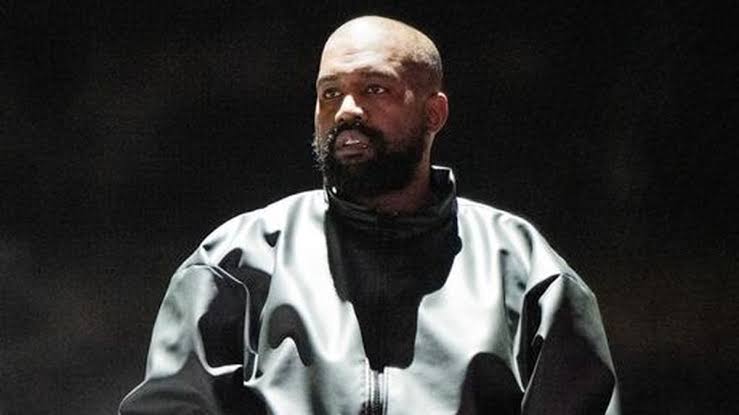
The festival’s cancellation didn’t come from poor ticket sales or logistical failure. It came from a single, high-stakes decision: booking Kanye West as the sole headliner across all three days.
At first, it felt like a power move. Kanye remains one of the most influential artists of his generation, capable of commanding global attention on demand. Booking him for an entire weekend wasn’t just programming, it was positioning. Wireless wasn’t just hosting a festival; it was building an event around a singular cultural force.
But that same force carried weight.
In the weeks following the announcement, backlash began to build. Critics pointed to Kanye’s history of controversial and antisemitic statements, questioning the decision to give him such a dominant platform. What might have once remained an industry debate quickly escalated into something broader pulling in public figures, advocacy groups, and eventually, political voices.
Then came the turning point.
The UK government stepped in, denying Kanye entry into the country on the grounds that his presence was “not conducive to the public good.” It was a rare and decisive move one that instantly shifted the situation from controversy to crisis.
Because without Kanye, Wireless didn’t just lose a headliner.
It lost its entire structure.
This wasn’t a lineup that could be reshuffled overnight. The festival had been built around one artist, one narrative, one draw. Removing him left a gap too large to fill on short notice. And as the pressure mounted, the cracks widened.
Sponsors began to pull out.
Pepsi, a long-standing partner whose name had become almost synonymous with the festival, withdrew its support. Other brands followed. What started as a cultural debate quickly became a financial one. Without corporate backing, the economics of the event began to shift and not in its favor.
At that point, the decision became inevitable.
Wireless Festival 2026 was cancelled.
For fans, it’s a disappointment. For the industry, it’s something more complex, a moment that reveals just how interconnected music has become with politics, branding, and public perception.
Because this wasn’t just about one artist.
It was about risk.
Festivals operate at the intersection of culture and commerce. They sell experience, but they rely on alignment between artists, audiences, sponsors, and, increasingly, governments. When that alignment breaks, the fallout isn’t contained. It spreads.
And that’s exactly what happened here.
Kanye West remains a figure of undeniable influence, but also one of deep division. Booking him in 2026 wasn’t a neutral choice, it was a calculated risk. One that, in this case, didn’t pay off.
The bigger question now is what this means moving forward.
Will festivals become more cautious in their bookings?
Will brands demand tighter alignment before committing their names?
Will artists with controversial pasts find themselves increasingly shut out of global stages?
There are no clear answers yet. But what Wireless 2026 makes clear is this:
The live music business isn’t just about who can sell tickets anymore.
It’s about who can hold the entire ecosystem together.
And sometimes, the biggest name on the lineup can be the very thing that pulls it apart.