

London Stock Exchange Targets African Listings Amid Regulatory Overhaul
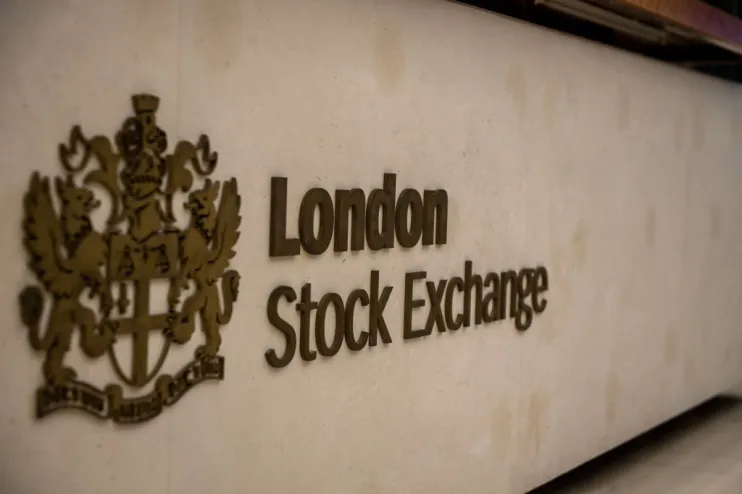
The London Stock Exchange (LSE) is stepping up efforts to draw more African companies to its trading floors, following sweeping regulatory reforms designed to make London a more attractive destination for international listings.
After a period of sluggish activity, the LSE is aiming to revitalise its listings pipeline. In the first half of the year, the UK’s flagship exchange saw IPO volumes slump to their lowest levels in three decades, raising only £160 million ($216 million). Even during the post-2008 financial crisis period, figures were higher, with £222 million ($300 million) raised in the same timeframe of 2009. Back in 2007, before the crash, IPOs brought in more than £200 billion ($270 billion) in just six months.
While global headwinds—such as trade tensions, economic uncertainty, and the lingering effects of Brexit—have played a part in denting investor sentiment, London’s own regulatory framework has also come under scrutiny. In response, UK regulators launched the Primary Markets Effectiveness Review, a wide-ranging reform initiative intended to modernise the listing process and enhance the appeal of the LSE to foreign companies.
Abi Ajayi, who leads the LSE’s African primary markets strategy, told African Business that these are the most significant changes to the exchange’s rulebook in nearly four decades. “We’ve reworked our regulations to provide more flexibility for companies already listed, and to open doors for new entrants,” he said.
One standout reform is the introduction of a secondary listing segment—enabling companies to remain listed in their home markets while gaining access to the LSE. Ajayi argues that this dual listing route is especially relevant for African businesses, many of which need a local presence to maintain influence—what he calls “soft power”—in their domestic markets.
“For companies in critical sectors—such as banking or energy—it’s essential to remain rooted in local markets where public trust, government access, and national identity are tied to local listings,” Ajayi explained. “A London listing doesn’t have to come at the cost of local relevance.”
Balancing Local Presence with Global Capital
Ajayi believes this hybrid model could offer African firms the best of both worlds: continued engagement with their local investor base, alongside access to London’s deeper and more liquid capital markets.
This comes at a critical juncture for African venture and growth-stage firms, particularly in sectors like tech, where global investor interest is high, but exit pathways are limited. According to Sadaharu Saiki of Sunny Side Ventures in Cairo, the lack of viable IPOs, mergers, and secondary markets remains a major stumbling block for investors seeking returns.
“African markets need more liquidity options,” Saiki noted, adding that the current lack of exit strategies is a significant deterrent for investors.
A 2024 survey by the African Private Capital Association backs this up, with 76% of limited partners citing “limited exit opportunities” as their top challenge when deploying capital on the continent.
Ajayi sees a role for the LSE in addressing this: “We’re increasingly working with venture capital and private equity funds to position the capital markets as a practical exit route,” he said, suggesting that the perception of the LSE among private investors is beginning to shift.
Challenges Remain Despite Progress
Still, there are sceptics. A recent report from the Tony Blair Institute (TBI) questioned the LSE’s ability to significantly increase African listings, citing continued negative investor sentiment towards the UK and the appeal of alternative global exchanges.
Moreover, not all the regulatory reforms have had a positive effect on African firms. The TBI report argues that some changes may have inadvertently disadvantaged African-domiciled companies—who must meet the same regulatory burdens as others but are excluded from key benefits, such as inclusion in FTSE indices due to domicile restrictions.
The FTSE’s current eligibility rules favour a select group of “low-tax” offshore jurisdictions, none of which are in Africa. While companies could theoretically re-domicile to the UK to gain access, this is often unrealistic—particularly for highly regulated industries like financial services.
A Stronger Legacy, A New Opportunity
Despite the challenges, Ajayi is optimistic. He highlights London’s long-standing ties with African markets and the strong track record of African capital-raising in the UK: over the last decade, African corporates have secured more than £30 billion ($40 billion) on the LSE. The exchange currently hosts around 110 African companies with a combined valuation of £165 billion ($223 billion).
“I don’t think there’s another exchange where African companies have achieved as much,” Ajayi said.
London’s geographical and time-zone proximity to Africa is another point in its favour, particularly when compared with more distant financial centres like New York or Singapore. “Operating in the same or similar time zones is an important practical advantage,” he noted.
A Mutual Opportunity
For London, the push to court African listings is part of a broader effort to revive IPO activity and reposition itself as a global financial hub in the post-Brexit era. For Africa’s growth companies, meanwhile, the LSE’s reforms offer a potential gateway to global capital while preserving local engagement and legitimacy.
If successful, this initiative could open the door to more exit routes for African investors and improve the investment climate across the continent. But as always, the true impact of regulatory change will only be visible over time—and the LSE still has work to do to convince more African firms that London is the right place to go public.

Leave a Reply