
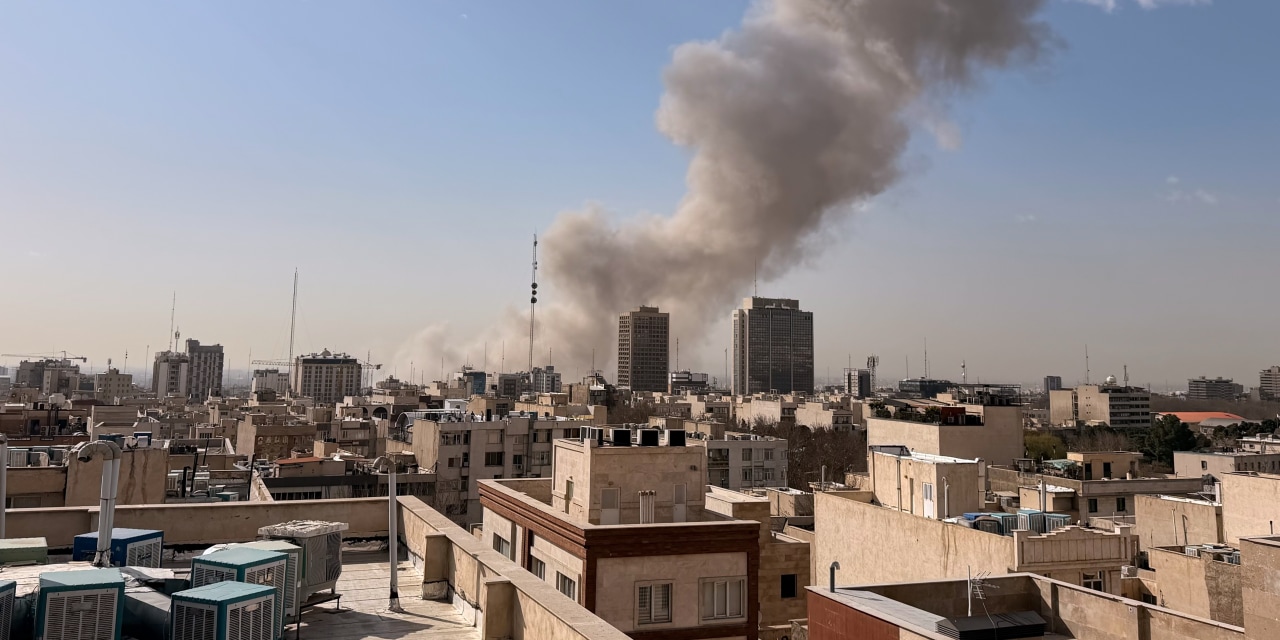
The United States and Israel have carried out coordinated military strikes on Iran, marking one of the most serious escalations in Middle East tensions in recent years, as U.S. President Donald Trump publicly called on Iranians to rise against their government.
According to international reports, the joint operation targeted key military and government locations across Iran, including areas near leadership and security installations in Tehran. The offensive, described by U.S. officials as a response to security threats and Iran’s nuclear ambitions, represents a dramatic expansion of direct military confrontation in the region.
In a televised address following the strikes, Trump urged Iranian citizens to “take over your government” once military operations conclude, framing the attack as an opportunity for regime change after decades of rule by Iran’s Islamic leadership. Israeli Prime Minister Benjamin Netanyahu echoed similar sentiments, saying the operation could allow Iranians to determine their political future.
Iran swiftly retaliated, launching missiles and drones toward Israeli territory and U.S.-linked military bases across parts of the Gulf region, raising fears of a wider regional conflict. Several countries temporarily closed airspace as tensions intensified and global markets reacted to the growing instability.
The escalation has drawn international concern, with diplomats warning that continued military exchanges could trigger a broader war involving multiple nations. As fighting continues, global leaders are calling for urgent de-escalation while humanitarian and economic risks across the Middle East remain high.