
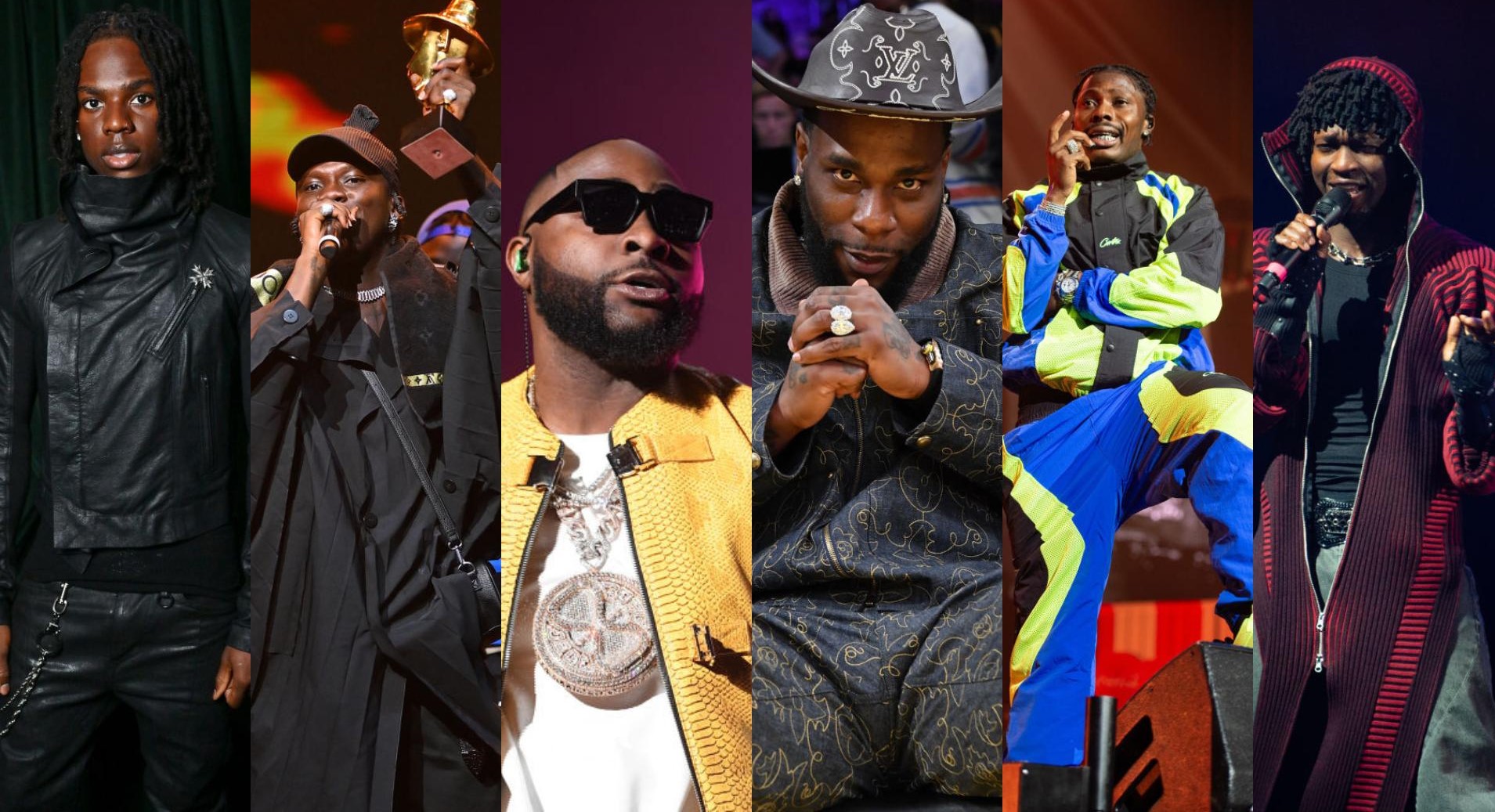
There was a time when a feature was just that a guest verse, a moment, an add-on. In African music today, it’s something else entirely.
It’s strategy.
It’s expansion.
It’s currency.
Collaboration has become one of the most powerful engines behind African music’s global ascent not just creatively, but commercially and culturally. The right feature doesn’t just elevate a song; it opens markets, merges audiences, and shifts positioning in real time.
And nowhere is that more visible than in Afrobeats and Amapiano’s rise over the past decade.
The formula, on the surface, looks simple. Pair a Nigerian artist with a Ghanaian counterpart. Add a South African producer. Layer in a UK-based diaspora act. Sometimes, bring in a global name Drake, Tems, Burna Boy, Tyla, Wizkid, Davido. But beneath that simplicity is something more deliberate: a networked ecosystem where collaboration replaces competition.
Because in African music, growth has rarely been isolated.
Artists don’t just break out they bring others with them. A feature becomes a bridge. Between cities. Between sounds. Between entire audiences who might never have crossed paths otherwise.
You can hear it in the records.
A Lagos-born melody sitting on a Johannesburg log drum. A Ghanaian vocal texture sliding into a London-produced beat. The music itself becomes hybrid, fluid, borderless. And that fluidity is exactly what makes it travel.
But the real power of the feature era isn’t just sonic it’s strategic visibility.
When an artist jumps on another’s track, they’re not just contributing creatively. They’re tapping into an entirely different fan base. It’s organic market entry. No heavy rollout, no forced introduction just a verse, a hook, a presence that feels natural enough to stick.
In that sense, features have replaced traditional industry pathways.
You don’t need to “cross over” in the old sense anymore. You collaborate your way across.
That shift has redefined what success looks like.
Instead of waiting for a breakout solo hit, artists can build momentum through consistent, well-placed appearances. A verse here. A hook there. Before long, their voice becomes familiar across regions, across playlists, across cultures.
It’s slow-burn dominance.
And it’s working.
There’s also an unspoken cultural layer to it.
Collaboration in African music often carries a sense of community that feels different from Western industry norms. It’s less about rivalry, more about alignment. Less about ownership, more about shared movement. Even when competition exists and it does it rarely stops collaboration from happening.
Because the bigger picture is understood:
When one wins, the ecosystem expands.
And that expansion has global implications.
As African music continues to scale, features are becoming the primary way the continent interacts with the rest of the world. International collaborations aren’t just about validation anymore they’re about positioning African artists at the center of global sound.
You see it in how Western artists now approach these collaborations. Less as hosts, more as guests. Less as gatekeepers, more as participants. The dynamic has shifted.
But with growth comes complexity.
The feature economy also raises questions. About creative ownership. About over-saturation. About whether too many collaborations can dilute an artist’s individual identity. When every track becomes a shared space, where does singularity live?
Some artists are already pushing back becoming more selective, treating features as moments rather than defaults. Because while collaboration builds reach, identity builds legacy.
The balance between the two is where the next phase of African music will be defined.
Still, what’s undeniable is this:
Features have done more than create hits.
They’ve built bridges.
They’ve accelerated careers.
They’ve connected a continent to the world and the world back to the continent.
This isn’t just collaboration as creativity.
It’s collaboration as infrastructure.
And in the story of African music’s global rise, it might be the most important currency of all.