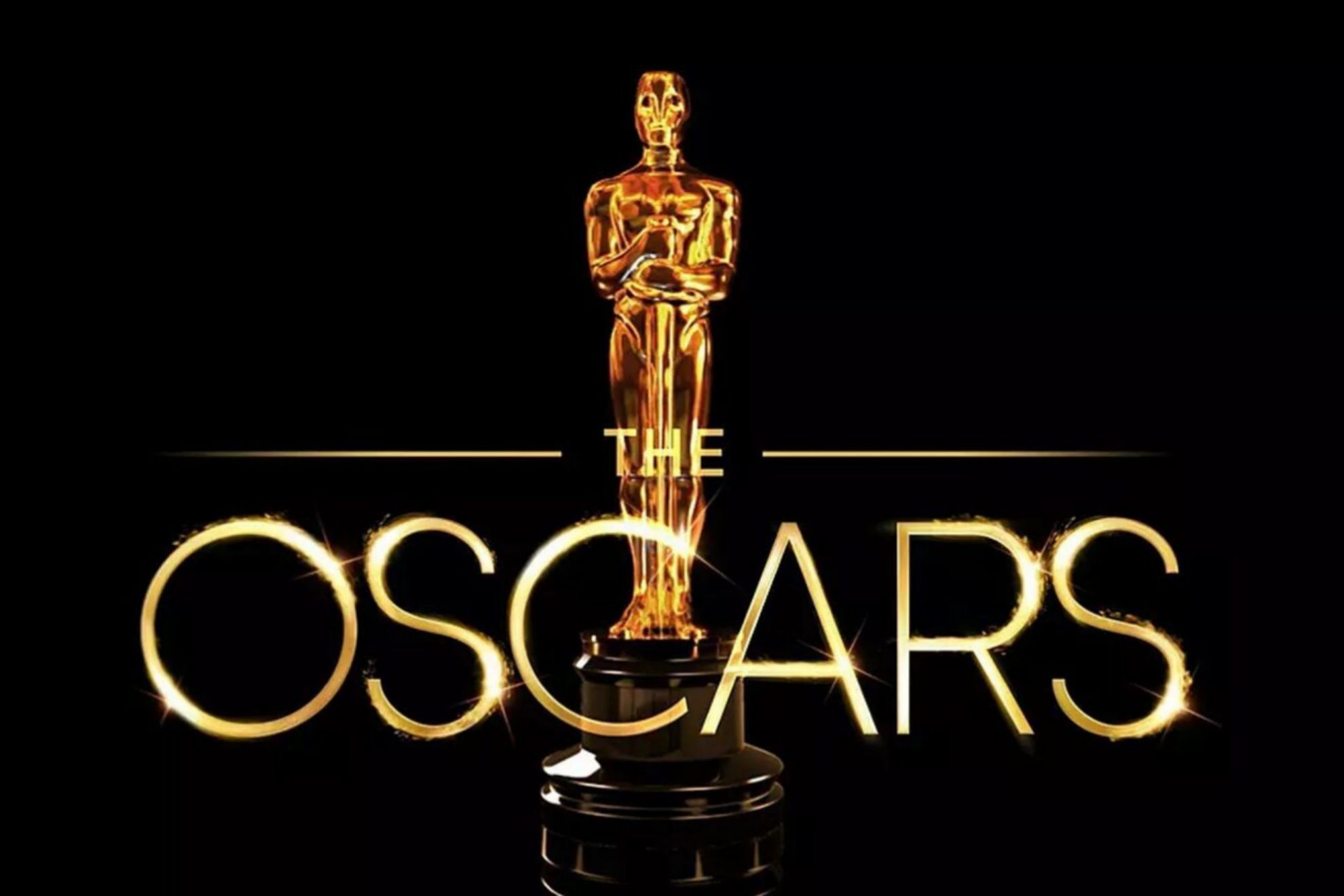
In a move that could redefine how the world watches prestige award shows, the Academy Awards popularly known as the Oscars will stream exclusively on YouTube, marking one of the most radical distribution changes in the ceremony’s nearly century-long history. The decision signals a clear break from traditional broadcast television and a bold embrace of digital-first audiences.
For decades, the Oscars were anchored to prime-time TV, relying on legacy networks to deliver massive global viewership. But ratings have steadily declined as younger audiences drift away from cable toward on-demand platforms. By choosing YouTube, the Academy is betting on reach, accessibility, and real-time engagement areas where streaming platforms consistently outperform traditional TV.
The shift also reflects how cultural moments now unfold online. Award shows no longer live or die by overnight ratings alone; their impact is measured in clips, memes, reaction videos, livestream chats, and global replay value. YouTube offers all of that at scale, with built-in features for live comments, creator co-streams, and instant highlights that can circulate within minutes.
Industry insiders see the move as both a survival tactic and a statement of intent. By going exclusive with YouTube, the Oscars position themselves where audiences already are, rather than asking viewers to show up somewhere else. It also opens the door to new forms of sponsorship, creator partnerships, and interactive viewing experiences that traditional broadcasts struggle to deliver.
Of course, the decision comes with risks. Prestige events have long relied on the perceived grandeur of network television, and some critics worry that moving fully online could dilute the ceremony’s aura. Others question how the Academy will manage global streaming rights, regional access, and monetization without alienating longtime partners.
Still, the message is clear: the future of live cultural events is digital, social, and platform driven. If the Oscars’ YouTube experiment succeeds, it could set a precedent for other major award shows from music to sports to rethink where and how they meet their audiences.
One thing is certain: when Hollywood’s biggest night arrives, the red carpet won’t just lead to a TV screen anymore. It will lead straight to the internet’s biggest stage.


Leave a Reply