
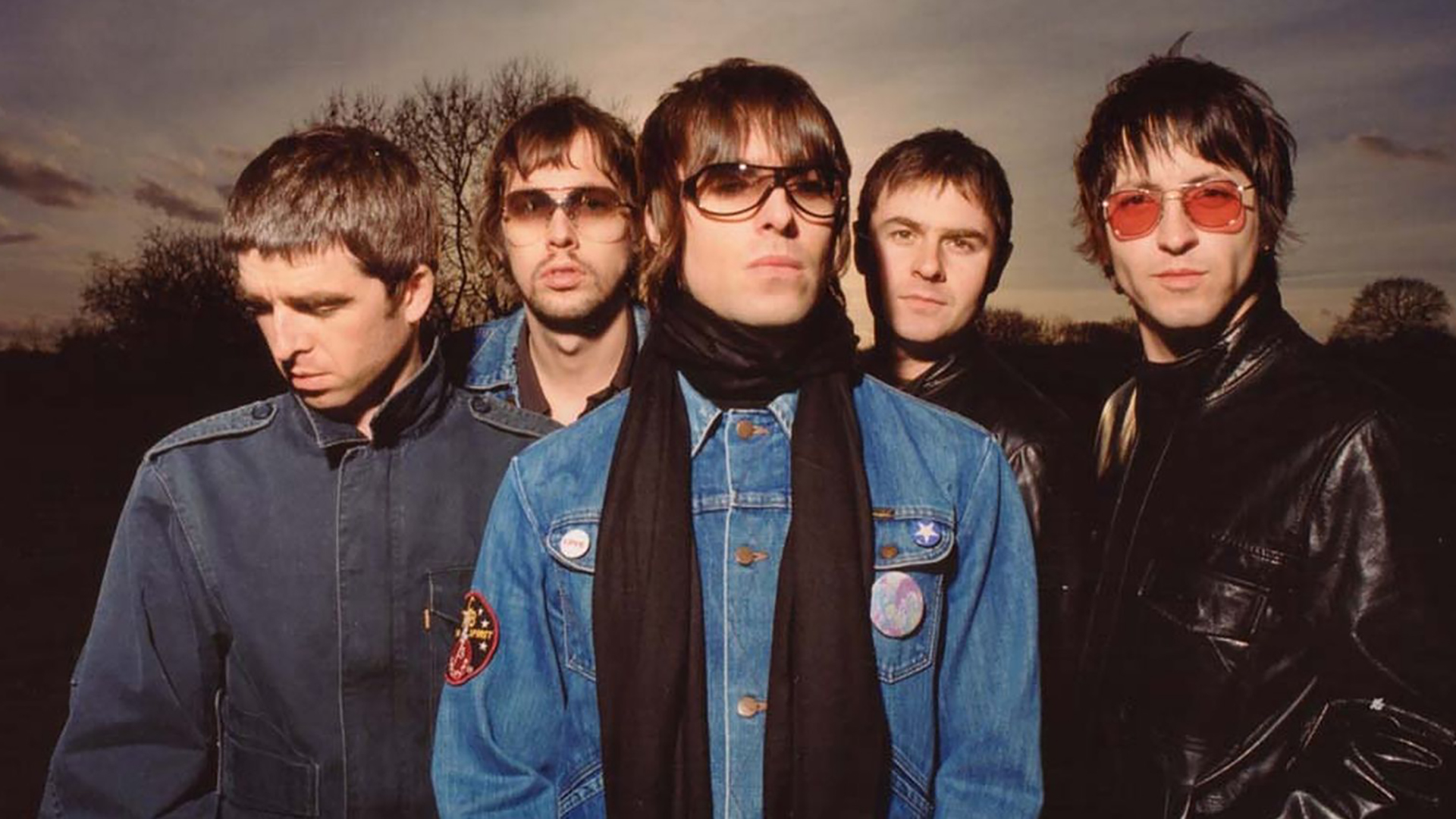
For fans of Oasis, the band’s reunion tour has been years in the making. When the gigs at Accor Stadium in Sydney sold out within minutes, many believed the biggest problem would be getting a ticket. Instead, for many fans, the real frustration started on arrival.
Videos and social-media posts from the Friday night show massive queues stretching beyond the stadium precinct, some attendees waiting over an hour just to get inside. One fan posted: “Queue management is just royally fucked,” capturing the mood of many.
Another described the scene: “Somehow Sydney just manages to have a line for absolutely everything …” Many who arrived early in the day found themselves anxious about missing the opening acts or the first songs. A fan noted: “Few people missing out on first song!” It wasn’t just about long wait times; it was the stress of being so close yet locked out of the experience because of logistics.
Accor Stadium, hosting one of the two Australian dates on Oasis’ world-reunion tour, expected around 70,000 fans each night. The show was a landmark moment and the venue, the city, and fans all came with high expectations. But when thousands of fans trying to enter ended up stuck, the spotlight shifted from the band’s performance to the event’s execution.
Adding to concern were traffic and transport warnings. The local authority, Transport for NSW, had advised fans to use public transport and warned of heavy congestion. Yet, despite those warnings, fans reported that even after arriving early, they were held up by long walks, slow queues, and perhaps insufficient entry gates or staffing.
Beyond the frustration of wait times, some posts pointed to a broader issue: infrastructure and crowd-management at mega-events. One Reddit thread shows fans pointing specifically at gates “M” and “N” for having the worst lines. Others said the parking exit was itself a bottleneck, with one fan estimating a 1.5-hour delay just to leave.
For an iconic act like Oasis, whose fan base spans generations and geographies, a glitch in entry logistics sends a message: when nostalgia draws the crowd, event details can’t be second-class. The memory of waiting under the rain, or half-missing the opening act, becomes part of the night whether you want it to or not.
Of course, not all is bleak. Many who made it inside raved about the show itself. One attendee posted:
“What an amazing day!!!! I cried so loud during ‘Half the World Away’, it really touched me!!!!”
So, while the night had its high moments, the buildup and access issues cast a shadow.
What lessons can live-event promoters and venues take? First: entrance flow matters as much as stage design. You can have the best lighting, the best sound, and the biggest name but if fans can’t get in, the experience suffers. Second: transport logic and parking coordination must be built into the event plan. The warnings were issued, but fans still felt unprepared. Third: communication matters. Telling fans “Arrive early” is one thing; ensuring early arrival is feasible and efficient is another.
For fans, the night remains classic in many ways: the band, the songs, the crowd. But when part of you spends more time waiting than watching, the memory changes. It becomes half-concert, half-experience of frustration.
Oasis, the tour, the venue all will move on, and future shows likely won’t suffer the same issues. But for Sydney-goers this weekend, the story around the show will include both “legendary performance” and “entry chaos.” And in today’s live-music economy, that dual legacy matters.
Because ultimately, what happens off stage becomes part of the show.

Leave a Reply