
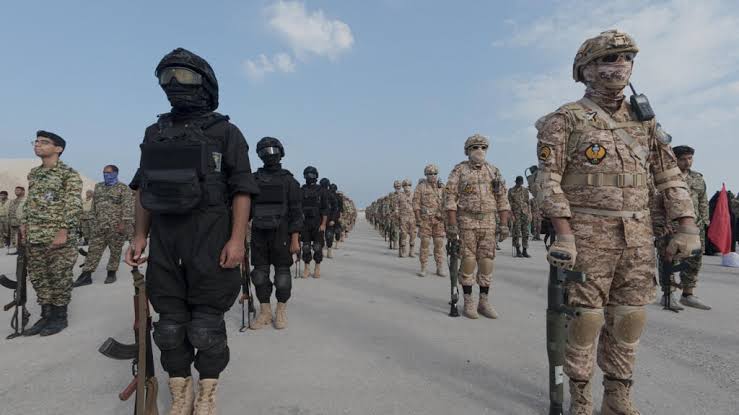
Tensions in the Middle East have escalated sharply after Iran warned it would completely shut down the Strait of Hormuz if the United States follows through on threats to strike its energy infrastructure.
The warning comes after Donald Trump issued a 48-hour ultimatum, stating that the U.S. would “obliterate” Iranian power plants if the strait is not fully reopened to global shipping.
In response, Iran’s Revolutionary Guard made it clear that any attack on its energy facilities would trigger severe retaliation, including:
- A complete closure of the Strait of Hormuz
- Possible strikes on U.S.-linked infrastructure across the region
- Threats to energy assets in countries hosting U.S. bases
This is a major escalation because the Strait of Hormuz is one of the most critical routes in the world, handling roughly 20% of global oil supply. Any full shutdown could:
- Spike global oil prices
- Disrupt international trade
- Trigger a wider regional conflict
While Iran has at times said the strait remains open to neutral shipping, it has also restricted or threatened vessels linked to “hostile nations,” effectively tightening control over the route.
The situation is unfolding against the backdrop of an ongoing regional conflict involving Iran, the U.S., and Israel, with both sides exchanging increasingly aggressive threats. Iran has even warned it could “irreversibly destroy” regional infrastructure if attacked.
This is no longer just rhetoric, it’s a high-stakes standoff over global energy security.
If either side acts on these threats, the consequences could ripple far beyond the Middle East, impacting economies and markets worldwide.