
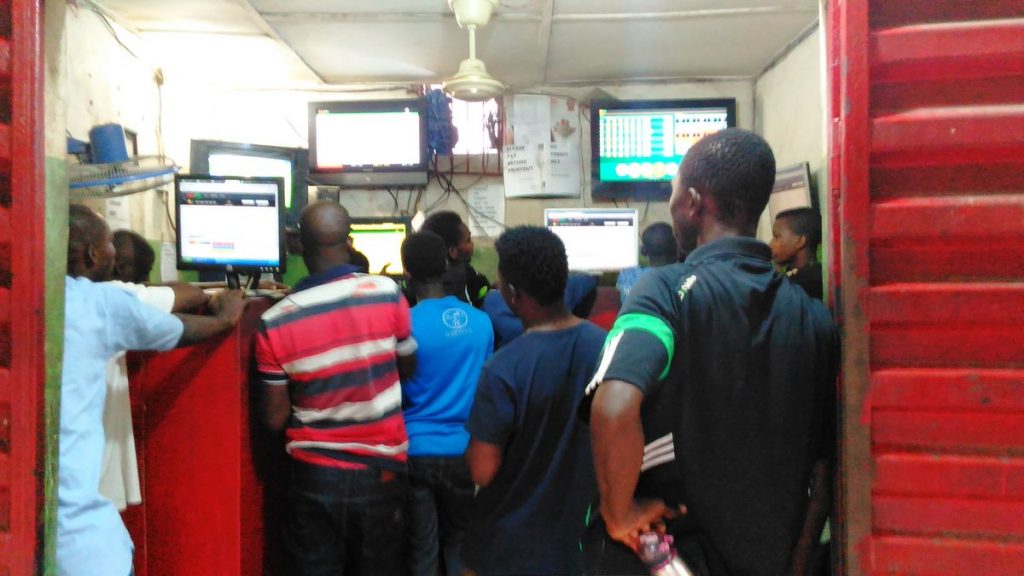
The Betting Generation: How Gambling Became Nigeria’s Quiet Youth Epidemic
In today’s Nigeria, a betting slip has become as common as a debit card. From Lagos Street corners to university hostels in Enugu, young Nigerians are staking their last few naira on virtual games, live football matches, and prediction apps that promise a way out of the country’s deepening economic gridlock. The gambling boom is no longer an underground activity, it has become part of youth culture, woven into conversations, social media, and the rhythms of daily survival.
The numbers tell their own story. According to data from the National Lottery Regulatory Commission, millions of Nigerians between the ages of 18 and 40 now use betting platforms weekly, with the industry’s estimated worth rising into billions of naira. The explosion of mobile technology and cheap internet access has turned gambling into a fast-growing digital habit. For many young people, it’s less about vice and more about hope a perceived escape from unemployment, inflation, and limited opportunity.
This surge didn’t happen overnight. The country’s sports betting culture found early roots in the late 2000s with local companies like NairaBet and Bet9ja introducing easy online betting for football fans. As the Premier League and UEFA competitions dominated television, the emotional attachment to teams like Manchester United, Arsenal, and Chelsea became tied to wagers. What was once a harmless prediction between friends quickly evolved into a mainstream obsession powered by smartphones, apps, and aggressive advertising.
Today, betting brands are everywhere sponsoring football teams, music videos, and influencer giveaways. Billboards in major cities display bold promises of quick wins and life-changing jackpots. Social media influencers encourage followers to “play smart,” while betting platforms run campaigns that blend humor with aspiration. The visual language is seductive: a young man holding an iPhone, smiling at his winnings; a group of friends celebrating a “sure ticket.” To a generation battling underemployment and rising costs of living, these images offer emotional relief a fantasy of instant success.
Yet, beneath the glitter of potential wealth lies a growing crisis. Gambling has quietly shifted from recreation to dependence for many young Nigerians. In university communities, it’s common to hear stories of students losing tuition fees or borrowing money to chase previous losses. The psychology of hope the idea that the next ticket will be the one keeps players locked in a cycle that mirrors addiction. Betting apps, designed with notifications and quick payout systems, exploit that vulnerability. Each small win reinforces the illusion of control, even as losses mount.
Economically, the trend reflects Nigeria’s broader youth frustration. With unemployment hovering around 33% and inflation eroding daily income, gambling has become a digital form of escapism. For some, it’s a side hustle; for others, it’s an emotional lifeline. “At least betting gives me something to look forward to,” a 24-year-old Lagos driver said in a street interview. His statement captures a common sentiment: betting, for many, feels like one of the few remaining things that still offer hope however illusory.
The industry itself thrives on that emotional economy. Betting companies employ sophisticated algorithms, data analytics, and marketing tactics borrowed from global gambling models. Their rise coincides with the country’s fintech explosion, where payments, deposits, and withdrawals can now be made instantly. This frictionless access makes gambling feel less risky, more routine another transaction in the digital age.
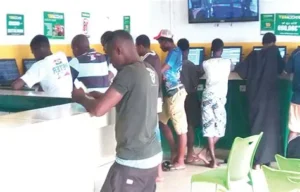
However, Nigeria’s regulatory structure struggles to keep up. The current betting laws, many of which date back years before the app era, offer limited protection against predatory advertising or underage gambling. There’s little psychological support for those developing gambling dependencies, and unlike in Western markets, responsible gaming policies are barely enforced. The result is a thriving informal economy of addiction legal, lucrative, and largely unmonitored.
Culturally, gambling has found acceptance through music and pop culture. Afrobeats lyrics often reference “odds,” “tickets,” or “cashout,” turning betting into a symbol of hustle and ambition. The street slang “cut my ticket” has become shorthand for disappointment, while “sure odds” mirrors the entrepreneurial optimism that defines Nigerian youth identity. The narrative aligns with a generation conditioned to “find a way” to win by any means necessary. It’s that same drive that powers tech innovation, music success, and street entrepreneurship. The difference is that gambling monetizes uncertainty rather than creativity.
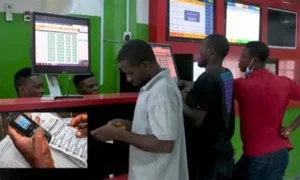
There’s also a darker side. The normalization of gambling erodes community values around patience, savings, and delayed gratification. In small towns and urban slums alike, the dream of overnight wealth has overtaken the discipline of gradual progress. Families often bear the consequences from broken trust to financial strain. Religious leaders have raised concerns about the moral and social fallout, yet sermons often fall short against the constant hum of betting jingles and live-score alerts on mobile phones.
Despite the growing concern, there’s still little national conversation about gambling as a public health issue. Most discussions frame it as a personal choice, not a systemic challenge shaped by poverty, policy failure, and youth disenchantment. But the statistics suggest otherwise. The psychological cost from stress to anxiety and debt mirrors addiction patterns seen in developed nations. Nigeria’s situation is more complex: economic instability fuels both the supply and the demand.
The solution requires more than bans or moral appeals. Experts argue that education on financial literacy, tighter advertising control, and youth-targeted awareness campaigns could slow the rise. Regulation must adapt to the realities of a digital-first generation that doesn’t see gambling as crime but as commerce. There’s also a need for open discussion acknowledging that gambling addiction exists, and that behind every “big win” screenshot are thousands of untold losses.
Nigeria’s betting boom reveals a generation caught between desperation and digital optimism. The same creativity that drives young Nigerians to build tech startups or music empires now fuels a dangerous obsession with chance. The lines between entertainment and exploitation blur more each day. Gambling, once a weekend thrill, has become an everyday ritual one that reflects not greed, but the quiet despair of a generation searching for control in an uncontrollable economy.

Leave a Reply