
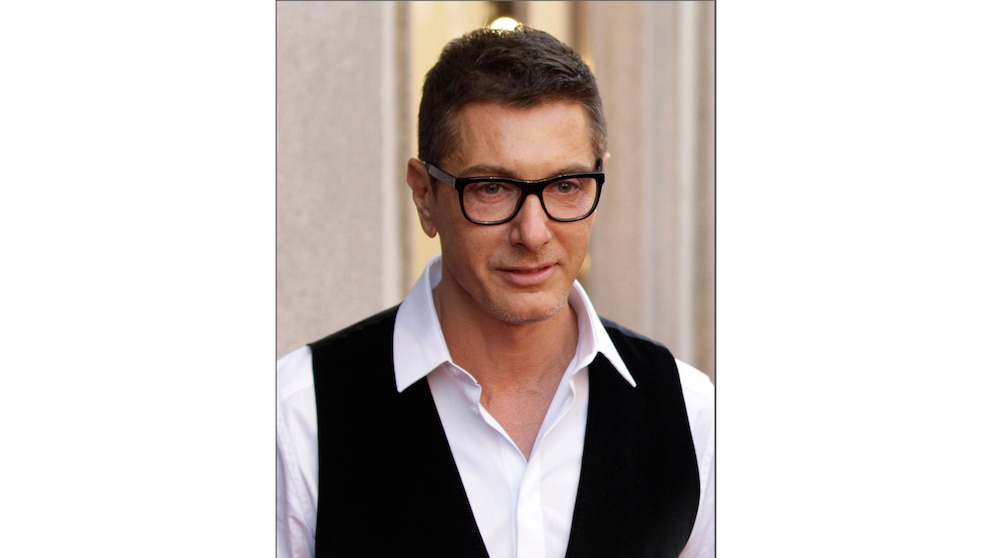
One of fashion’s most recognizable names is entering a new phase.
Stefano Gabbana, co-founder of Dolce & Gabbana, has officially stepped down from his role as chairman marking a significant shift in the leadership of the iconic brand he built alongside Domenico Dolce.
The resignation, which took effect at the start of 2026, has been described by the company as part of a “natural evolution” in its structure and governance.
But beneath that phrasing lies a deeper transition.
Gabbana isn’t leaving the brand creatively. He remains actively involved in design and artistic direction the very core of what made Dolce & Gabbana a global force.
Instead, this move separates creative influence from corporate control.
A Shift Driven by Pressure and Strategy
Dolce & Gabbana is currently navigating financial pressure, including reports of around €450 million in debt and ongoing negotiations with lenders as part of a broader restructuring effort.
The luxury market itself has also slowed, impacted by global instability and shifting consumer behavior factors that have forced even legacy brands to rethink their structures.
Gabbana’s step back from the chairman role appears tied to that reality.
It creates space for a more corporate-led management approach, with CEO Alfonso Dolce (Domenico’s brother) now taking on a greater leadership role.
At the same time, reports suggest Gabbana is exploring options regarding his stake in the company, signaling that this could be more than just a temporary adjustment.
Creativity Stays, Control Shifts
What makes this moment particularly interesting is what hasn’t changed.
Unlike many executive exits in fashion, this isn’t a clean break. Gabbana remains embedded in the brand’s creative DNA still shaping collections, still influencing direction, still present in the storytelling that defines Dolce & Gabbana.
That duality reflects a broader shift happening across luxury fashion:
Creative founders are increasingly stepping back from business operations while retaining artistic control.
It’s a model designed for survival in a more complex industry where creativity alone isn’t enough, and financial structure matters just as much as aesthetic vision.
What This Means for the Brand
Dolce & Gabbana has always thrived on identity bold, unmistakable, deeply rooted in Italian culture. That identity was built by the partnership between Dolce and Gabbana, both personally and professionally.
Now, that partnership enters a new phase.
More structured.
More corporate.
But still creatively intact.
The question isn’t whether the brand will change it already is.
The real question is whether it can balance heritage with adaptation in a luxury market that’s becoming increasingly unpredictable.
Because in fashion today, legacy alone doesn’t guarantee longevity.
Structure does.