
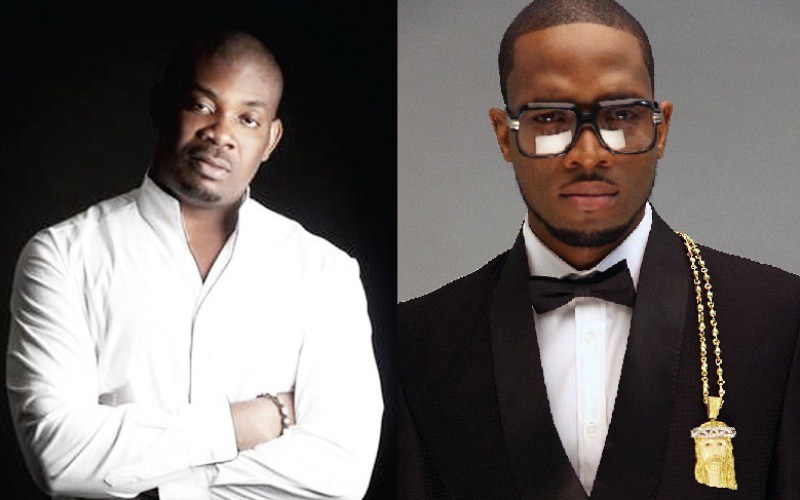
According to D’Banj, Don Jazzy expressed discomfort with their ambitious spending. He remembers a pivotal meeting in New York where Jazzy told him, “This place is too expensive… we’re spending money… we already bosses here.” D’Banj pushed back hard, even reminding him of their global potential he believed their leap wasn’t reckless, but a risk worth taking.
Still, by the end of their six-month appeal, Jazzy remained firm. D’Banj pleaded for a future together: he offered to sell his stake or make changes. But by December 2011, Jazzy told him Mo-Hits was over he wasn’t interested in continuing the label in its original form.
D’Banj later said he felt betrayed. He describes the label’s management like a family close but eventually broken. He believed their “family-style” operations became a weakness: too much intimacy, not enough business structure.
In a more recent turn, D’Banj claimed that the decision to split came entirely from Don Jazzy’s side not his. He says Jazzy pulled the plug on Mo-Hits, but notably handed D’Banj full ownership of his catalogue, including unreleased songs.
It wasn’t just business. For D’Banj, it was personal. He admitted to being “heartbroken” in front of other artists, confused by what felt like a sudden shift in loyalty.
Today, he’s publicly open to a reunion. Earlier this year, he hinted on a radio show that there could be a “Moments with Don Jazzy” comeback not just for nostalgia, but to reignite what once made Mo-Hits legendary.
Meanwhile, Don Jazzy himself has admitted the split hit him hard. He once revealed he nearly left music entirely, telling friends he was ready to pack up and move abroad after Mo-Hits collapsed.
In the end, according to D’Banj, Mo-Hits didn’t fail because they lacked vision but because their vision diverged. For him, it was a painful but necessary parting, and now, decades later, the story still resonates with fans.

Leave a Reply