
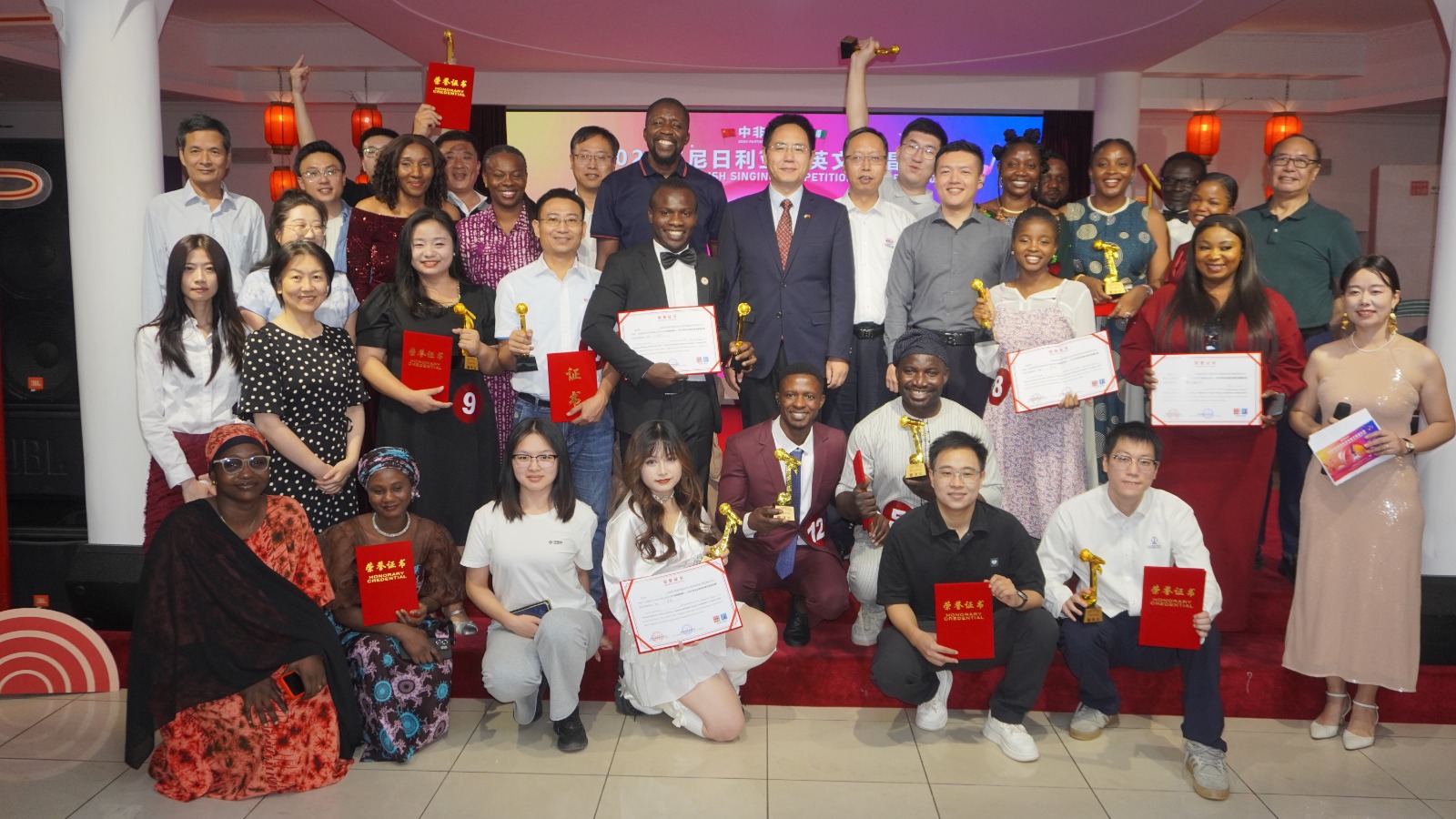
The 2025 Chinese‑English Singing Competition in Abuja offered more than a platform for musical talent, it was a live demonstration of cultural diplomacy in action. The event, which featured both Chinese and Nigerian contestants, deliberately emphasized inclusion of Nigerian indigenous languages in performances, signaling China’s growing interest in Nigeria’s music ecosystem as part of its soft power strategy.
Participants from Nigeria performed songs in Yoruba, Igbo, and Hausa alongside Chinese counterparts singing in Mandarin and English, creating a rare bilingual and cross-cultural showcase. By blending these diverse linguistic and musical traditions, the competition went beyond entertainment, highlighting the potential of music as a bridge between two nations with vastly different histories but shared ambitions in cultural exchange. Organizers noted that integrating indigenous languages was a deliberate effort to “recognize local talent while strengthening bilateral ties through creative expression.”
China’s participation in the Nigerian music scene has long been subtle, ranging from investment in film and music education to sponsorship of cultural events. The Abuja competition, however, represents a more explicit effort to engage Nigeria’s music industry and youth audiences directly. By partnering with local music schools, producers, and performers, the Chinese organizers signaled a willingness to invest not only financially but also artistically in Nigeria’s creative ecosystem. For Nigerian artists and industry stakeholders, this engagement opens doors to collaboration, exposure, and potential co-productions on an international scale.
The event also underscored the rising prominence of Nigeria’s music industry as a global soft power asset. Afrobeats, gospel, and traditional music have already captured international attention, and China’s targeted inclusion of Nigerian indigenous languages highlighted an understanding that music is not just entertainment, it is cultural identity, pride, and influence. The competition suggested a recognition that engaging with Nigeria’s music scene offers long-term strategic value in strengthening diplomatic and cultural ties.
For audiences in Abuja, the event was electrifying. Young Nigerian performers felt validated seeing their languages and songs celebrated on an international stage, while Chinese participants adapted to local rhythms and harmonies, creating unexpected creative intersections. Beyond the medals and certificates, the true victory lay in shared experience, dialogue, and mutual appreciation of artistry.
The 2025 Chinese‑English Singing Competition demonstrates how music can function as diplomacy, education, and cultural investment all at once. In an era where nations increasingly compete for soft power influence, Nigeria’s rich musical heritage has once again proven itself not just a source of entertainment, but a strategic tool in global engagement.

Leave a Reply