The business of music just collided again with the reality of reputation.
Pepsi has officially withdrawn its sponsorship of London’s Wireless Festival after Kanye West was announced as the headline act for all three nights, turning what should have been a major cultural moment into a flashpoint for controversy.
The decision didn’t happen in isolation. It followed intense public and political backlash tied to West’s history of antisemitic remarks and actions controversies that have continued to shadow his career despite public apologies and attempts at reentry.
Pepsi’s response was brief and definitive:
“Pepsi has decided to withdraw its sponsorship of Wireless Festival.”
But the implications are anything but simple.
This wasn’t just any sponsorship. For years, the event has been branded as “Pepsi presents Wireless,” making the company deeply embedded in the festival’s identity. Its exit signals more than discomfort, it signals risk calculation.
And Pepsi isn’t alone.
Diageo, another major corporate partner, also pulled out, reinforcing a broader industry pattern: when controversy escalates, brands move first, fast, and publicly.
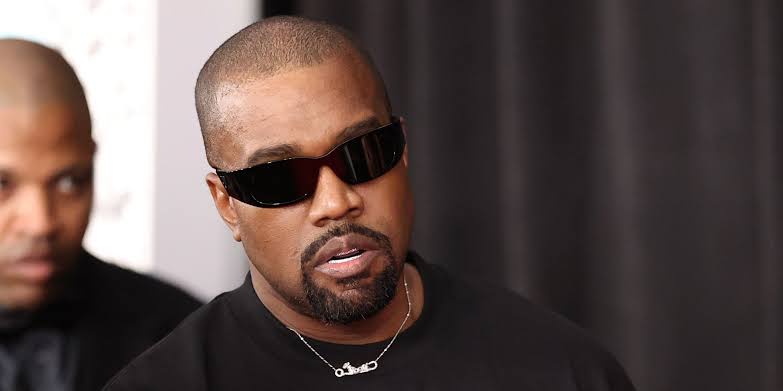
At the center of it all is Kanye West an artist whose cultural influence remains undeniable, but whose controversies continue to test the limits of corporate alignment. His booking alone was enough to trigger criticism from UK Prime Minister Keir Starmer, who called the decision “deeply concerning,” adding political weight to what might otherwise have stayed an industry issue.
That intersection music, politics, and brand safety is where this story really lives.
Because Wireless didn’t just book an artist.
It made a statement about relevance, spectacle, and demand.
And Pepsi’s withdrawal is a reminder that brands don’t just buy audiences they buy alignment. When that alignment is threatened, even legacy partnerships can dissolve overnight.
For the festival, the impact is immediate. Losing a headline sponsor affects not just optics, but funding, partnerships, and potentially the overall execution of the event. There are already questions about whether more sponsors will follow and what that means for Wireless as a global platform.
For Kanye West, it’s a familiar pattern.
Even as he remains one of the most influential artists of his generation, his relationship with major corporations continues to fracture under the weight of past controversies. From Adidas to Balenciaga, and now festival sponsorship fallout, the line between cultural power and commercial viability keeps getting tested.
And for the wider music industry, this moment reinforces a growing reality:
Artists drive attention.
But brands manage risk.
When those two forces fall out of sync, the fallout is public and expensive.
Wireless 2026 was supposed to be a statement return.
Now, it’s something else entirely:
A case study in how quickly the business of music can shift when culture, controversy, and corporate interests collide.