
-
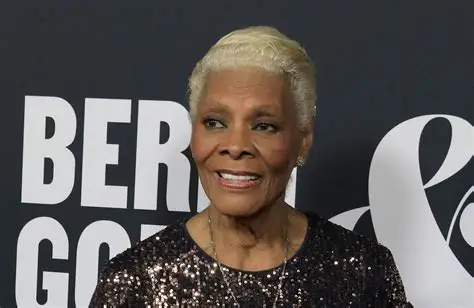
Music legend Dionne Warwick has been named in a new lawsuit connected to royalty disputes surrounding Paint The Town Red, the chart-topping hit by Doja Cat that dominated global airwaves and streaming platforms. The legal action reportedly centers on claims tied to songwriting and royalty entitlements stemming from the track’s use of an interpolation from…
-
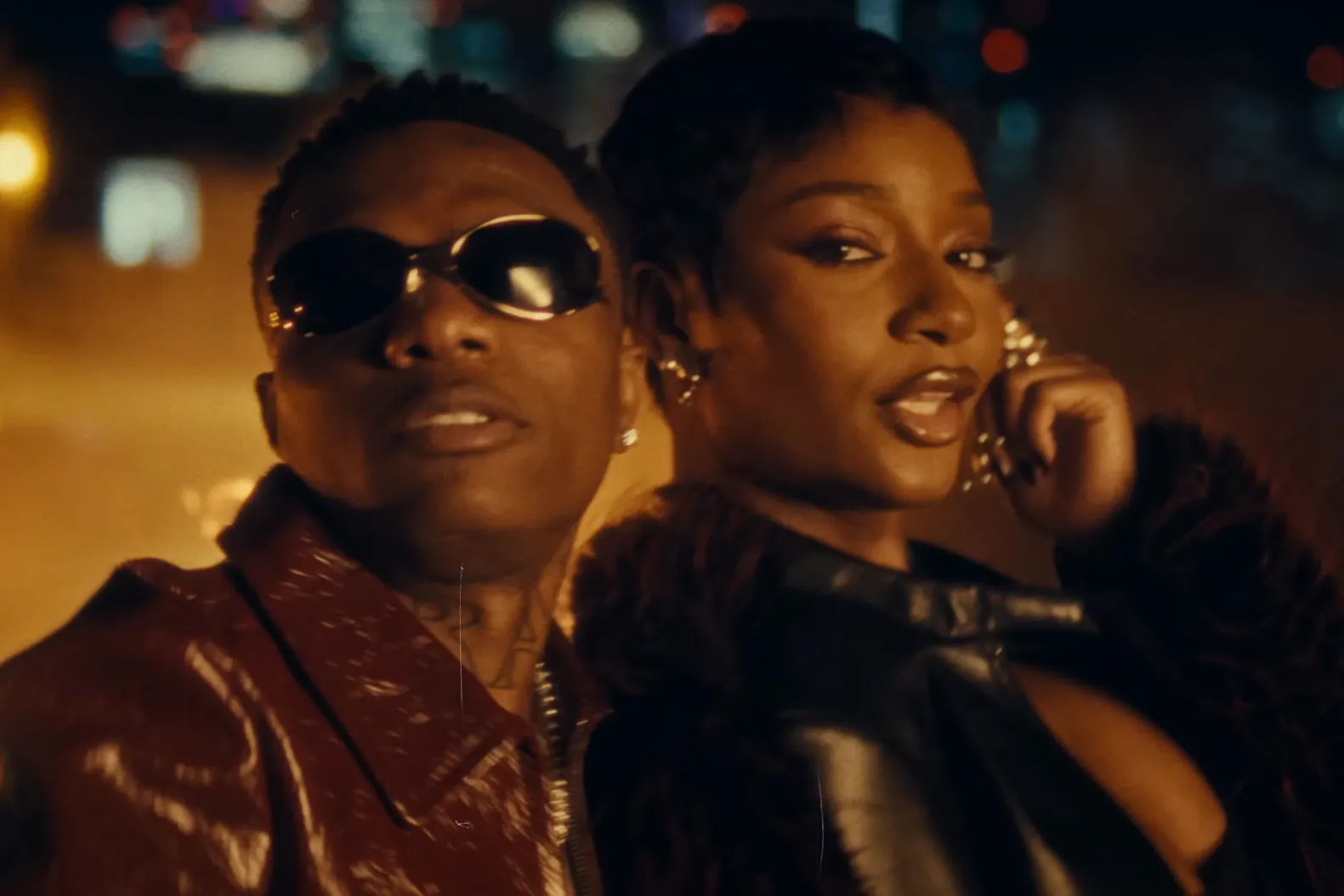
Fresh off her Grammy nomination, Ayra Starr is taking a moment to reflect not just on the milestone itself, but on the people and experiences that helped shape her journey to one of music’s biggest stages. In a recent interview following the announcement, the Nigerian pop star revealed how much she has learned from Wizkid,…
-
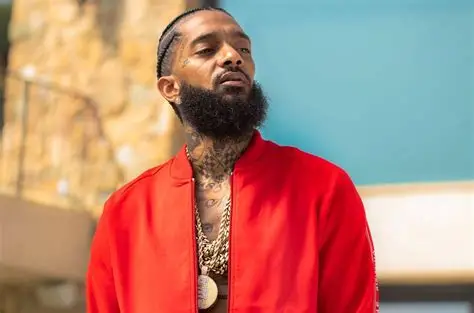
A new chapter in the legacy of Nipsey Hussle is set to reach audiences in 2026 with the announcement of Hussle, a docuseries that will chronicle the late rapper’s life, vision, and lasting cultural impact. The project promises an intimate, expansive look at Nipsey’s journey from his roots in South Los Angeles to his rise…
-
In a move that could redefine how the world watches prestige award shows, the Academy Awards popularly known as the Oscars will stream exclusively on YouTube, marking one of the most radical distribution changes in the ceremony’s nearly century-long history. The decision signals a clear break from traditional broadcast television and a bold embrace of…
-
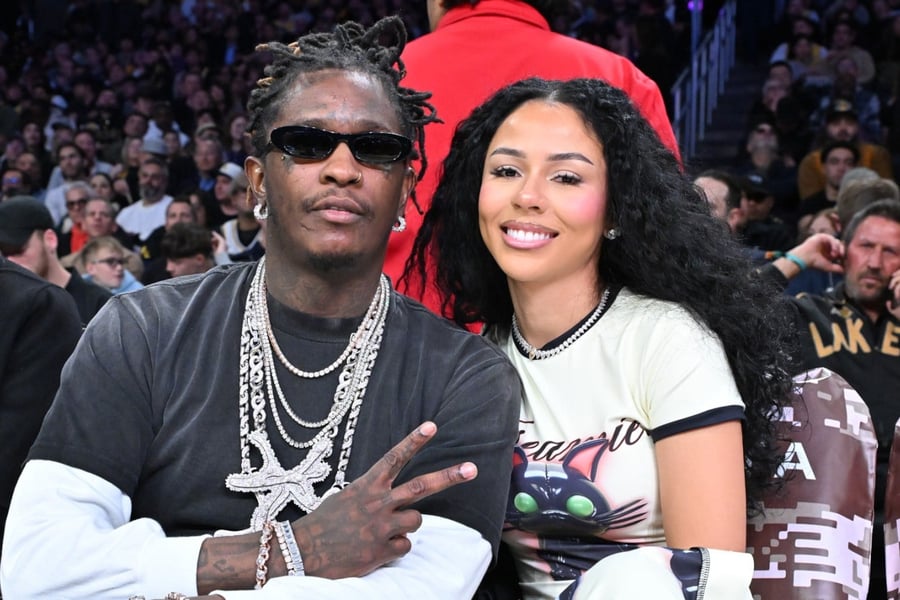
The internet was sent into a frenzy after Young Thug surprised fans by proposing to Mariah The Scientist during a live performance in Atlanta. What started as a regular show quickly turned into a headline-making moment when the rapper paused the night’s energy to deliver a simple but powerful declaration that instantly went viral. Midway…
-
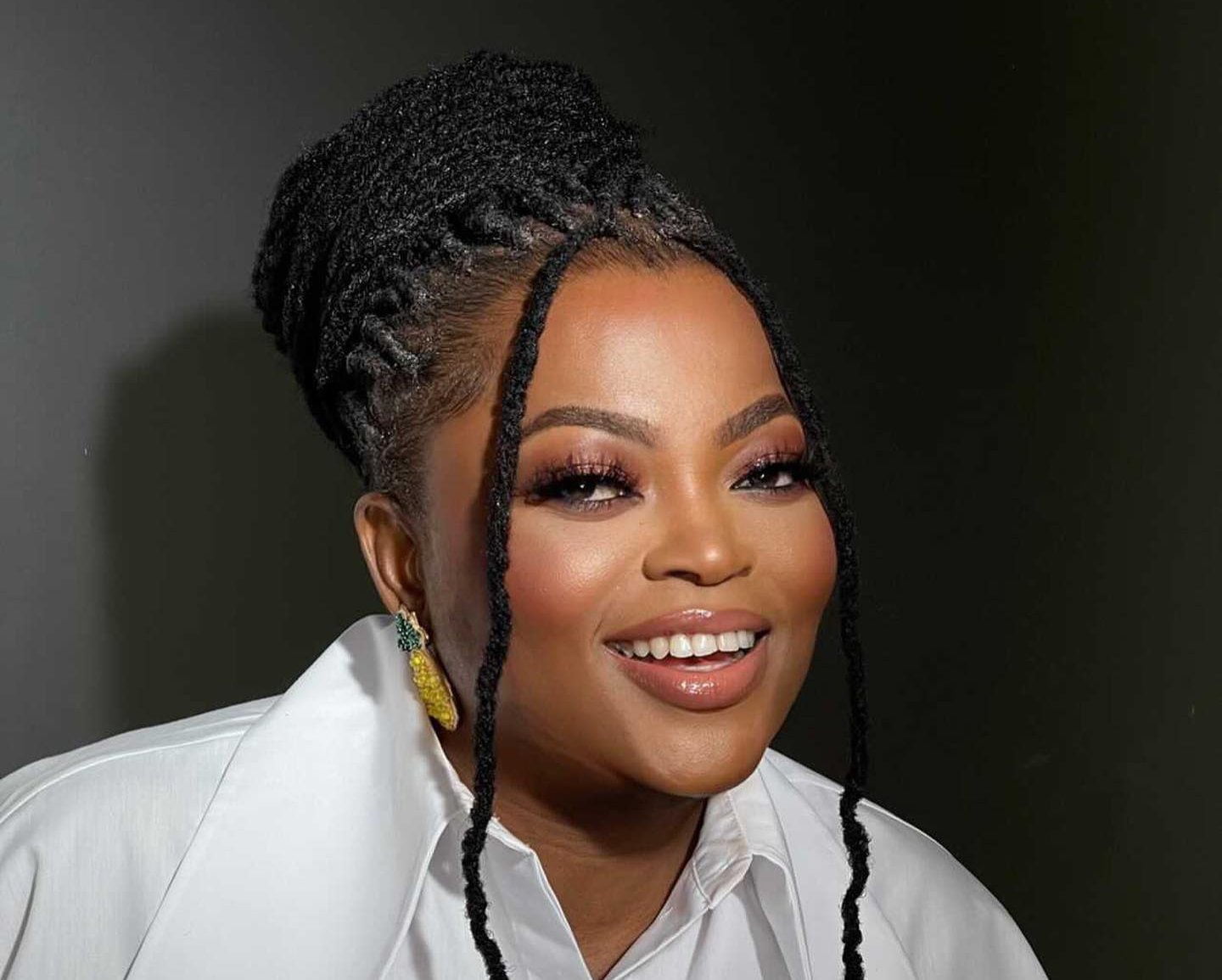
Funke Akindele is once again reminding everyone why she remains one of Nollywood’s most bankable stars. The actress, filmmaker, and box-office powerhouse has expressed heartfelt gratitude to fans after her latest project, Behind The Scenes, recorded impressive earnings both locally and internationally. According to figures shared by the actress, the film pulled in £42,000 at…
-
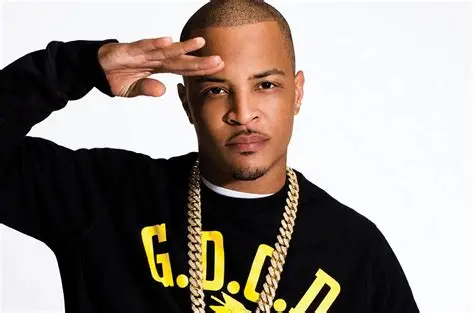
Rapper T.I. has never been one to shy away from difficult conversations, whether about politics, justice, or personal growth. Now, the Atlanta icon is opening up about another deeply personal topic: why he no longer goes to church and what faith means to him today. According to T.I., his decision isn’t rooted in rebellion or…
-
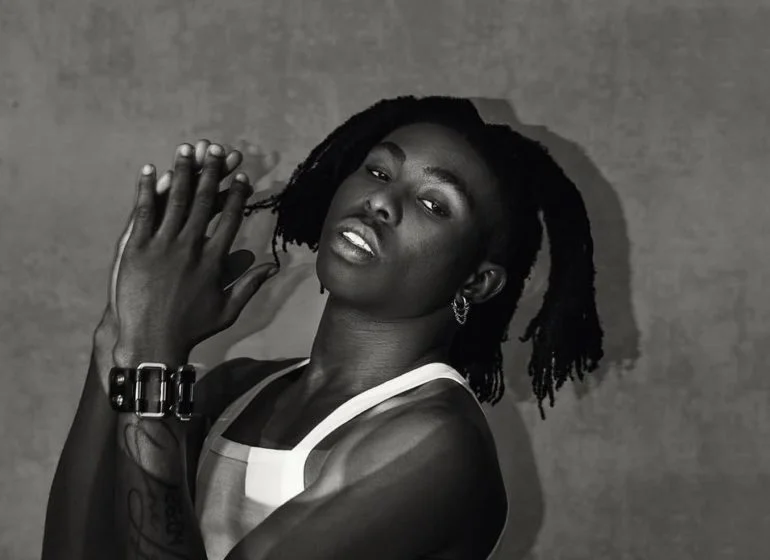
Nigerian singer Fola has issued a public apology following widespread backlash over what fans described as a chaotic experience at his first-ever headline concert. The show, which was meant to mark a major milestone in his rising career, quickly became a trending topic online not for the music alone, but for complaints about poor organisation,…
-
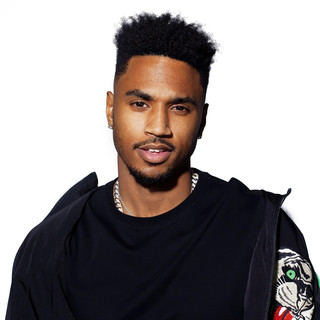
American R&B singer Trey Songz has been arrested following an alleged altercation at a New York City nightclub, sparking renewed public scrutiny around the artist’s long history of legal controversies. According to reports, the incident occurred in the early hours of the morning after a disagreement reportedly escalated inside the venue, prompting security intervention and…
-
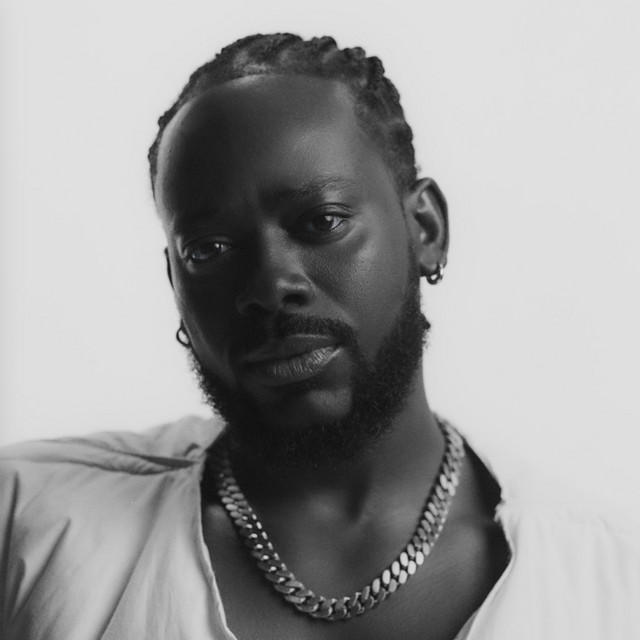
Adekunle Gold is set to make a powerful return to familiar ground as he announces an ambitious homecoming concert that promises to be one of the most musically rich performances of his career. The Nigerian singer and songwriter will take the stage backed by a full 55-piece orchestra, blending his signature highlife-inspired Afropop sound with…