
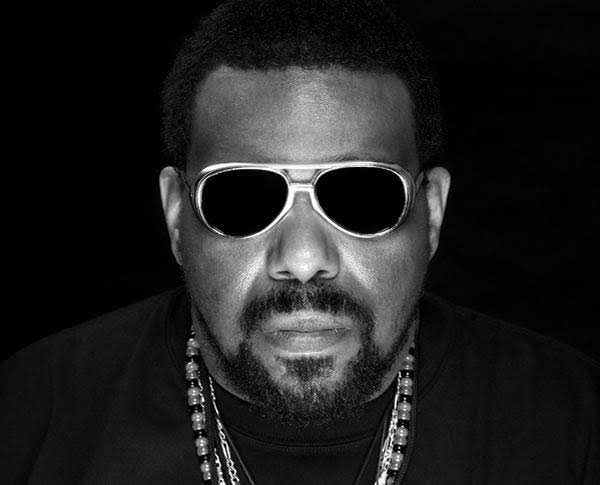
Afrika Bambaataa, one of the foundational figures of hip-hop culture, has died at the age of 67 following cancer-related complications, marking the end of a life that helped shape modern music as we know it.
Born Lance Taylor in the Bronx, New York, Bambaataa wasn’t just part of hip-hop’s origin story, he was one of its architects. In the 1970s, as the culture was forming in block parties and community spaces across the South Bronx, he emerged alongside pioneers like DJ Kool Herc and Grandmaster Flash, helping to define what hip-hop would become.
His influence stretched beyond DJing. Through the founding of the Universal Zulu Nation, Bambaataa pushed hip-hop as more than music, a movement built on “peace, love, unity, and having fun.” That philosophy helped transform street energy into cultural expression, giving young people an alternative to violence and gang life.
Musically, his legacy is cemented in “Planet Rock” (1982) a groundbreaking record that fused hip-hop with electronic music, helping birth the electro-funk sound and influencing everything from dance music to modern pop production.
But Bambaataa’s legacy is also deeply complex.
In later years, his reputation was overshadowed by multiple allegations of sexual abuse, first surfacing publicly in 2016. These accusations led to his removal from leadership within the Zulu Nation and continued to follow him, including legal battles that extended into recent years.
That duality pioneer and controversial figure defines how his story will be remembered.
His death forces hip-hop to confront both sides of that legacy: the undeniable impact he had on building a global culture, and the serious allegations that complicated his place within it.
Still, the cultural footprint is impossible to ignore.
From Bronx block parties to a multi-billion-dollar global industry, the foundations Bambaataa helped lay continue to shape music, fashion, dance, and identity worldwide. His ideas about unity and cultural expression traveled far beyond New York, influencing generations of artists across continents.
Afrika Bambaataa didn’t just help create hip-hop.
He helped give it structure, philosophy, and a global voice,a legacy that will remain, even as the conversation around his life stays complicated.