
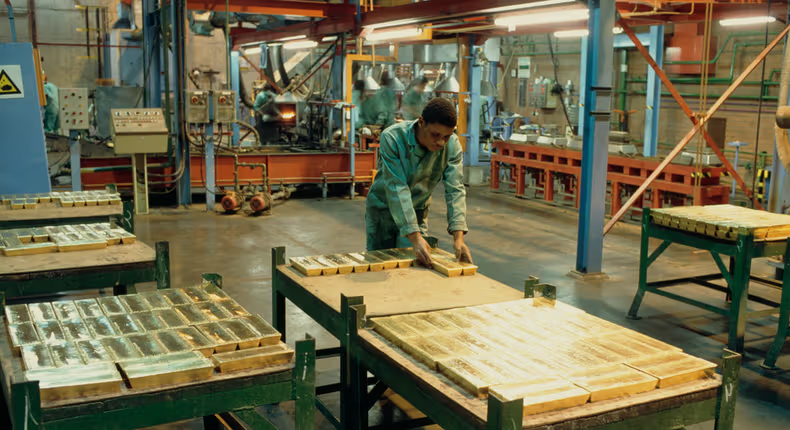
Africa is estimated to hold more than $5 trillion worth of gold resources, with over $1 trillion still untapped, according to the Africa Finance Corporation. This vast reserve base positions the continent as one of the most strategically important players in the global gold market.
At a time when central banks around the world are rapidly increasing their gold holdings to hedge against currency instability, inflation, and geopolitical uncertainty, Africa’s largely underdeveloped gold sector presents a significant macroeconomic opportunity. Gold is increasingly viewed as a safe-haven asset, and countries that can effectively harness and manage their reserves stand to strengthen their financial resilience.
Ghana offers a compelling case study. The country’s recent gold sector reforms—focused on formalising artisanal mining, boosting transparency, and implementing state-backed gold purchasing programmes—have helped rebuild national reserves while also supporting currency stability. By integrating informal miners into the formal economy and ensuring that more gold is retained domestically, Ghana is leveraging its resources for broader economic benefit.
With gold prices surging past $5,000 per ounce, the stakes have never been higher. Africa’s bullion strategy is no longer just about resource extraction; it is becoming central to global reserve dynamics. As nations diversify away from traditional currencies, Africa’s gold reserves could play a pivotal role in reshaping international financial systems—provided governments adopt strong policies, enhance value chains, and prioritise local beneficiation over raw exports.