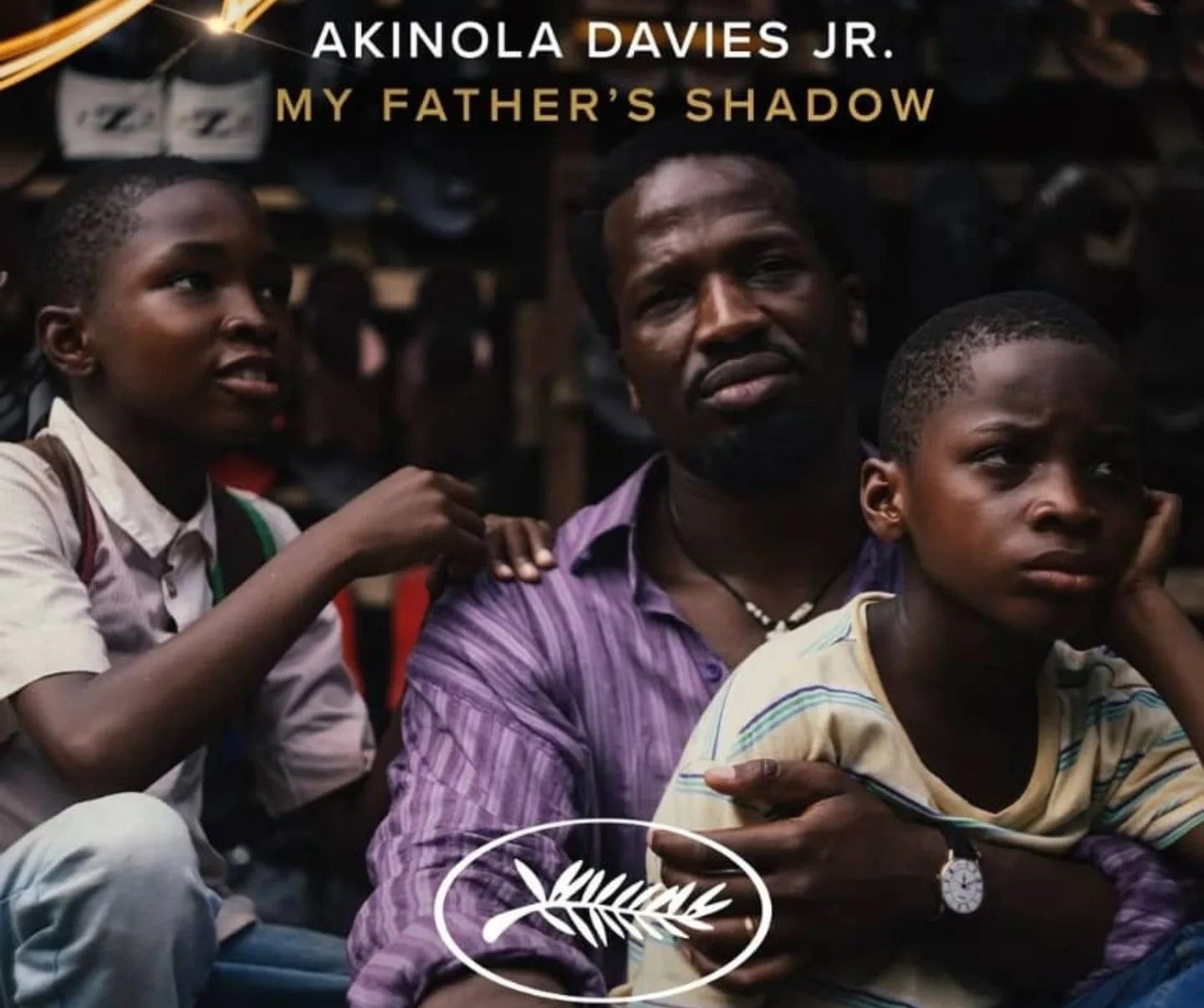
My Father’s Shadow, the Nigerian British drama that has been generating buzz on the festival circuit, recently premiered at the Cannes Film Festival, marking a significant moment for Nigerian cinema on the global stage. The film, set against the turbulent backdrop of Nigeria’s 1993 presidential election, explores the emotional complexities of a family reunion. It deftly weaves personal narratives with the political climate of the time, highlighting how historical events ripple through private lives.
The story centers on a family brought together under one roof after years of separation. As secrets unravel and old tensions resurface, the film captures the intricate dynamics between siblings, parents, and extended relatives. By juxtaposing intimate family moments with the nation’s political unrest, the film creates a layered narrative that resonates both locally and internationally. It is a testament to how personal stories can illuminate broader social and historical contexts.
Directed by an emerging filmmaker known for blending political insight with human drama, My Father’s Shadow combines authentic Nigerian cultural elements with cinematic techniques familiar to global audiences. The production design, costumes, and soundtrack all reinforce the early-1990s setting, creating a vivid and immersive experience. Cannes audiences have responded positively to the film, praising its nuanced storytelling, strong performances, and ability to convey the tension of the era without sacrificing emotional depth.
The film’s premiere at Cannes also reflects the increasing presence of Nigerian and African narratives in major international festivals. Over the past decade, Nigerian cinema has expanded its global footprint, with filmmakers exploring diverse themes that transcend borders while remaining rooted in local realities. My Father’s Shadow continues this trend, demonstrating that Nigerian storytelling is versatile, politically aware, and artistically ambitious.
Critics have highlighted the performances as a standout element. Veteran actors and rising stars share the screen seamlessly, bringing authenticity and emotional weight to the story. The careful balance of humor, heartbreak, and reflection allows the film to appeal to a wide range of viewers, ensuring that it is both entertaining and thought-provoking.
As My Father’s Shadow gains momentum, it signals a broader opportunity for Nigerian British collaborations to reach international audiences. By tackling politically charged themes through a deeply personal lens, the film exemplifies how cinema can educate, provoke thought, and foster empathy across cultures. Cannes may be just the beginning, but the impact of this film is already reverberating far beyond the festival circuit, promising a new chapter in African storytelling on the world stage.
Leave a Reply