
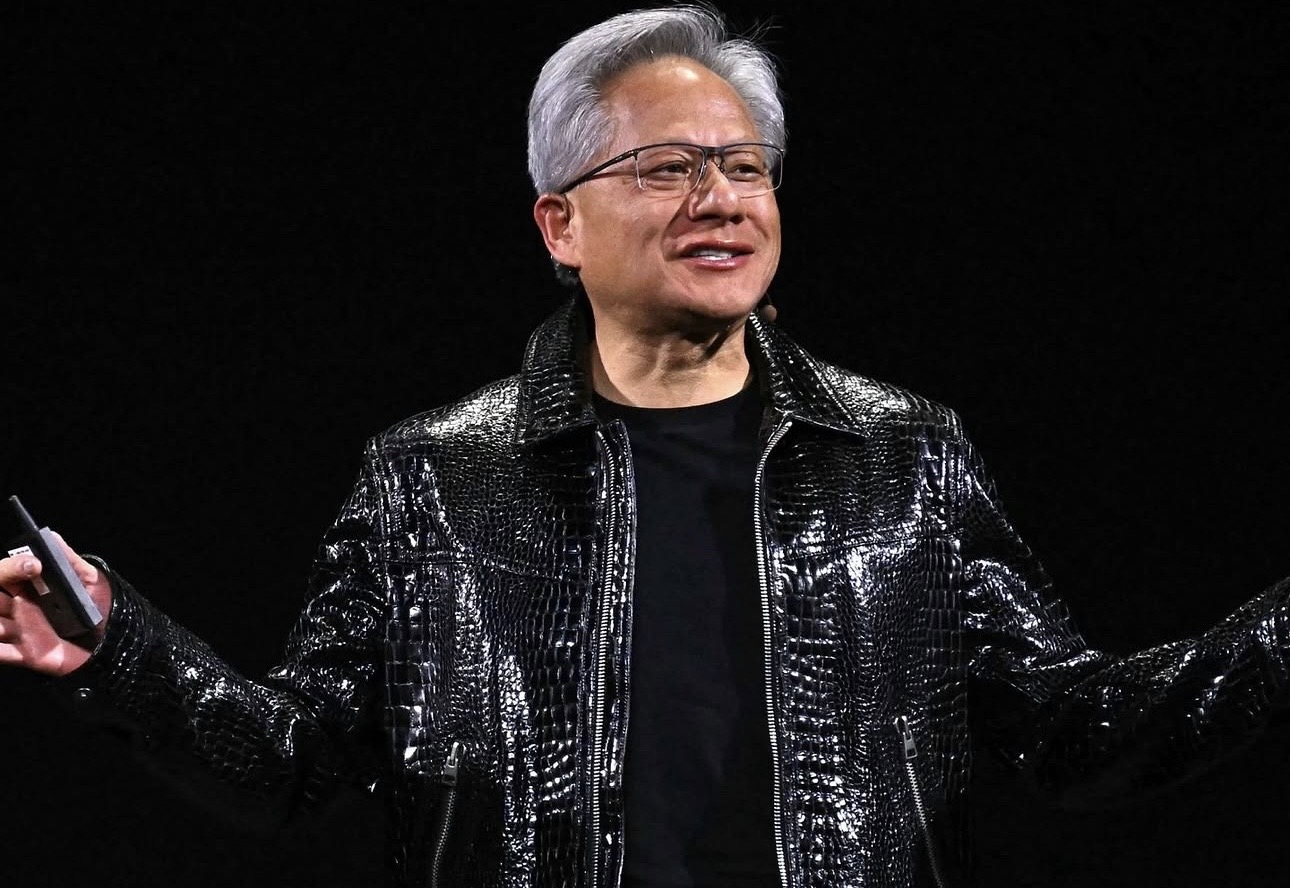
The Nvidia chief executive has publicly apologised to his family and employees as the technology giant launches an independent investigation into potential national security concerns.
Nvidia chief executive Jensen Huang has admitted to having an extramarital affair, just two days after the Financial Times reported allegations that he had been romantically involved with a woman suspected by US intelligence officials of working for the Chinese government.
The admission has triggered intense scrutiny of one of Silicon Valley’s most influential business leaders, raising questions about corporate security, foreign intelligence operations and the potential implications for one of the world’s most valuable technology companies.
Huang Issues Emotional Apology
In an internal message sent to Nvidia employees on Sunday, November 8, Huang acknowledged his infidelity and expressed deep regret over the pain caused to his family.
“I owe my family and all of you an apology,” Huang wrote. “I was unfaithful to my wife. My actions hurt her and our children. There is no excuse for what I did. I am deeply sorry.”
The 63-year-old executive, who co-founded Nvidia in 1993, accepted full responsibility for his actions and acknowledged that his conduct had fallen short of the standards expected of him as the company’s leader.
He also apologised to colleagues, business partners and shareholders, promising to work towards rebuilding their trust.
Alleged Connection to Chinese Intelligence
The controversy follows reports that Huang had developed a romantic relationship with Alice Huang, a business executive associated with Megaspeed, a Singapore-based company that purchases Nvidia’s advanced computing chips.
According to the Financial Times, US intelligence officials believed Alice Huang had been recruited to work for China’s Ministry of State Security, the country’s principal civilian intelligence agency.
The allegations reportedly emerged from US intelligence assessments examining her relationship with the Nvidia chief executive.
The claims have not been publicly established through a court proceeding, and the existence of a personal relationship does not itself demonstrate that Huang knowingly participated in espionage.
Nevertheless, the allegations have raised serious questions because Nvidia plays a central role in the global artificial intelligence industry, supplying advanced chips used in data centres, military research and cutting-edge computing systems.
Nvidia Launches Independent Investigation
In response to the controversy, Nvidia’s board of directors announced an independent investigation into whether its chief executive had been targeted by a foreign intelligence operation.
The investigation will be overseen by independent directors working alongside external legal advisers.
The company emphasised that it currently has no reason to believe its confidential information or US national security has been compromised.
Huang has pledged his full cooperation with the investigation and reaffirmed his commitment to protecting the company and American national security interests.
Why the Allegations Matter
The controversy comes at a particularly sensitive moment in relations between Washington and Beijing.
Nvidia’s advanced semiconductors have become strategically important in the competition to develop increasingly powerful artificial intelligence systems.
The United States has imposed restrictions on exports of certain high-performance chips to China, citing concerns that the technology could strengthen Beijing’s military and intelligence capabilities.
Reports concerning Megaspeed have added another dimension to the controversy, with US authorities previously examining suspicions that the company may have facilitated access to restricted Nvidia technology.
These separate allegations remain important to distinguish from Huang’s admitted personal misconduct.
For US officials, the central question is whether a foreign intelligence service attempted to exploit a relationship with a prominent technology executive to obtain sensitive information or influence commercial decisions.
Leadership Under Scrutiny
Huang has become one of the most recognisable figures in the global technology industry, overseeing Nvidia’s transformation from a graphics-chip manufacturer into a dominant supplier of artificial intelligence computing hardware.
His leadership has been closely associated with the company’s extraordinary growth and its position at the centre of the AI revolution.
The latest developments therefore represent a significant reputational challenge for both Huang and Nvidia.
However, the company has indicated that Huang will remain chief executive while the investigation proceeds.
What Happens Next?
Attention will now turn to Nvidia’s independent investigation and whether it uncovers evidence of compromised company information, attempted foreign influence or wider national security risks.
US lawmakers have also sought further information about the allegations and Nvidia’s safeguards against foreign espionage.
For Huang, the immediate challenge is both personal and professional: rebuilding trust with his family while reassuring employees, shareholders and government officials that Nvidia’s leadership and security remain intact.
The affair has been acknowledged, but the intelligence allegations require further examination.
As the investigation unfolds, the central issue is no longer simply the private conduct of a powerful technology executive, but whether that relationship created vulnerabilities at a company central to America’s technological and economic security.
