
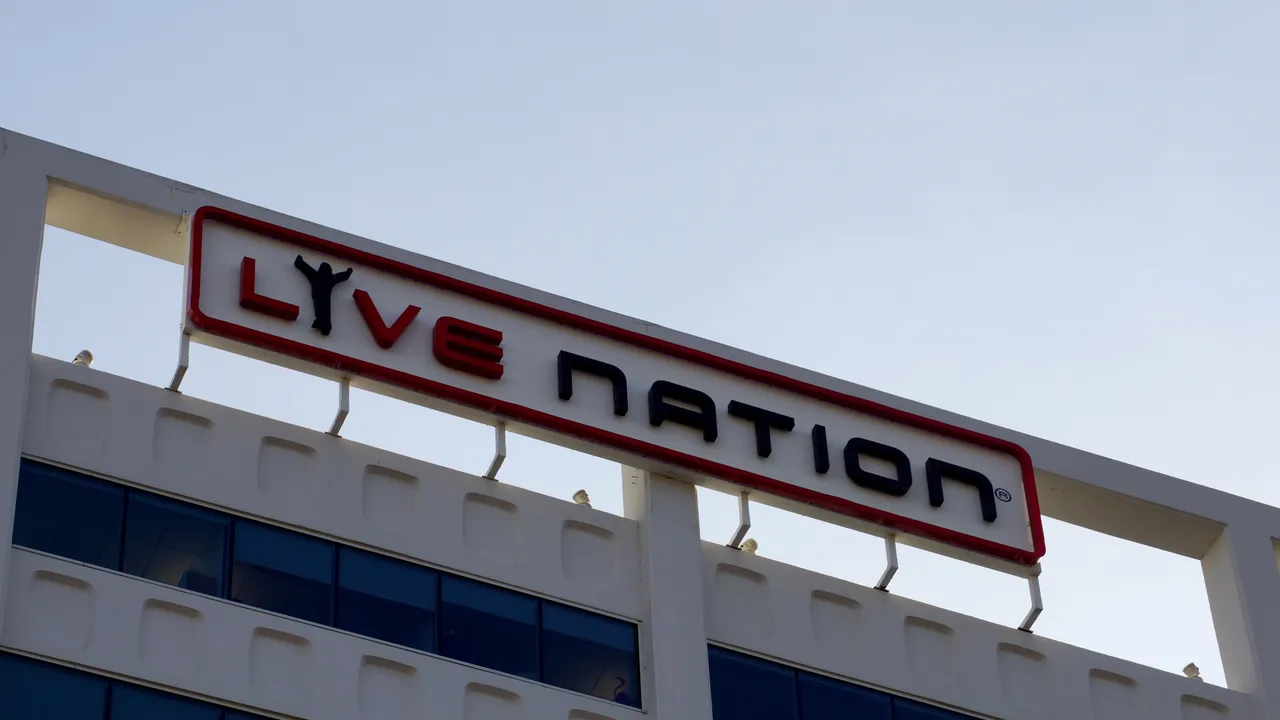
The live-music empire just got louder. Live Nation Entertainment, the world’s biggest concert promoter and parent company of Ticketmaster, has reported a record-breaking Q3 2025 with revenue soaring roughly 11 percent year-on-year to $8.5 billion. It’s not just a strong quarter; it’s proof that after years of digital saturation, fans still crave one thing algorithms can’t replicate, the live experience.
For all the talk about virtual concerts, AI-generated artists, and shrinking attention spans, the numbers tell a different story. People are showing up in stadiums, in arenas, and in every pop-up venue that can fit a crowd. The so-called “post-pandemic concert boom” isn’t a fluke anymore; it’s the new normal.
According to Live Nation, over 150 million fans attended its shows in the first nine months of 2025, driven by blockbuster tours from artists like Taylor Swift, Burna Boy, Beyoncé, and Coldplay. Ticket demand remains so high that the company is expanding venues and pushing premium pricing further than ever. The result? A business model where scarcity equals profit and fans are still paying.
But beyond the financial flex, Live Nation’s results signal something cultural. The world has rediscovered the power of presence. After years of isolation and screen fatigue, audiences aren’t just buying tickets, they’re buying memory. In a landscape where streaming revenue feels invisible and artist payouts remain controversial; the live space has become both the creative and economic heartbeat of the music ecosystem.
Interestingly, this resurgence isn’t limited to the West. In 2025, Live Nation expanded its footprint in Africa, Asia, and South America, tapping into growing middle-class markets hungry for international acts. Lagos, Accra, Nairobi, and Johannesburg are now part of major global tour routes. The company’s CEO, Michael Rapino, has described it as “the most globally connected concert era in history.” For Afrobeats, Amapiano, and Latin music genres once considered regional that means bigger stages, bigger audiences, and a growing slice of global revenue.
Still, not everyone’s cheering. Live Nation and Ticketmaster have faced ongoing scrutiny over high service fees, ticket resales, and market dominance. Lawmakers in the U.S. and Europe have been questioning whether the company holds too much control over the live-music economy. Critics argue that record revenues often come at the expense of fans who pay inflated prices and smaller artists who struggle to secure slots on major platforms.
But Live Nation’s counterpoint is hard to ignore: the demand is there. People are buying faster than tickets can be printed. Every sold-out stadium, every viral tour clip, every fan who posts a teary-eyed video from the crowd feeds into the same truth live music has become the ultimate cultural currency.
The company has also leaned into technology, integrating AI analytics and dynamic pricing to forecast demand, personalize fan experiences, and manage crowd logistics. The results are efficient and profitable, but they also raise questions about equity and accessibility. Is live music becoming a luxury product?
From an artist’s perspective, the boom is both opportunity and pressure. Tours have become the primary income source for many musicians, but the scale of production massive crews, elaborate visuals, and constant travel demands stamina and structure few can sustain. Behind every sold-out stadium lies a conversation about artist burnout, fair pay for crews, and the economics of spectacle.
Yet for fans, the appeal remains emotional. No livestream, playlist, or AI voice can recreate the collective energy of a real crowd screaming the same lyrics. The sound, the sweat, the shared chaos that’s what music was built on. Live Nation’s record quarter isn’t just a business win; it’s a reminder that in a hyper-digital world, humans still need connection.
As 2025 closes out, one thing is clear: live music isn’t just back, it’s thriving. But the challenge now is balance. The industry must find ways to keep that magic accessible, to ensure the live experience remains a celebration, not an elite privilege. Because for all the billions earned, the real value of a concert will always be what money can’t measure the moments that make us feel alive together.

Leave a Reply