
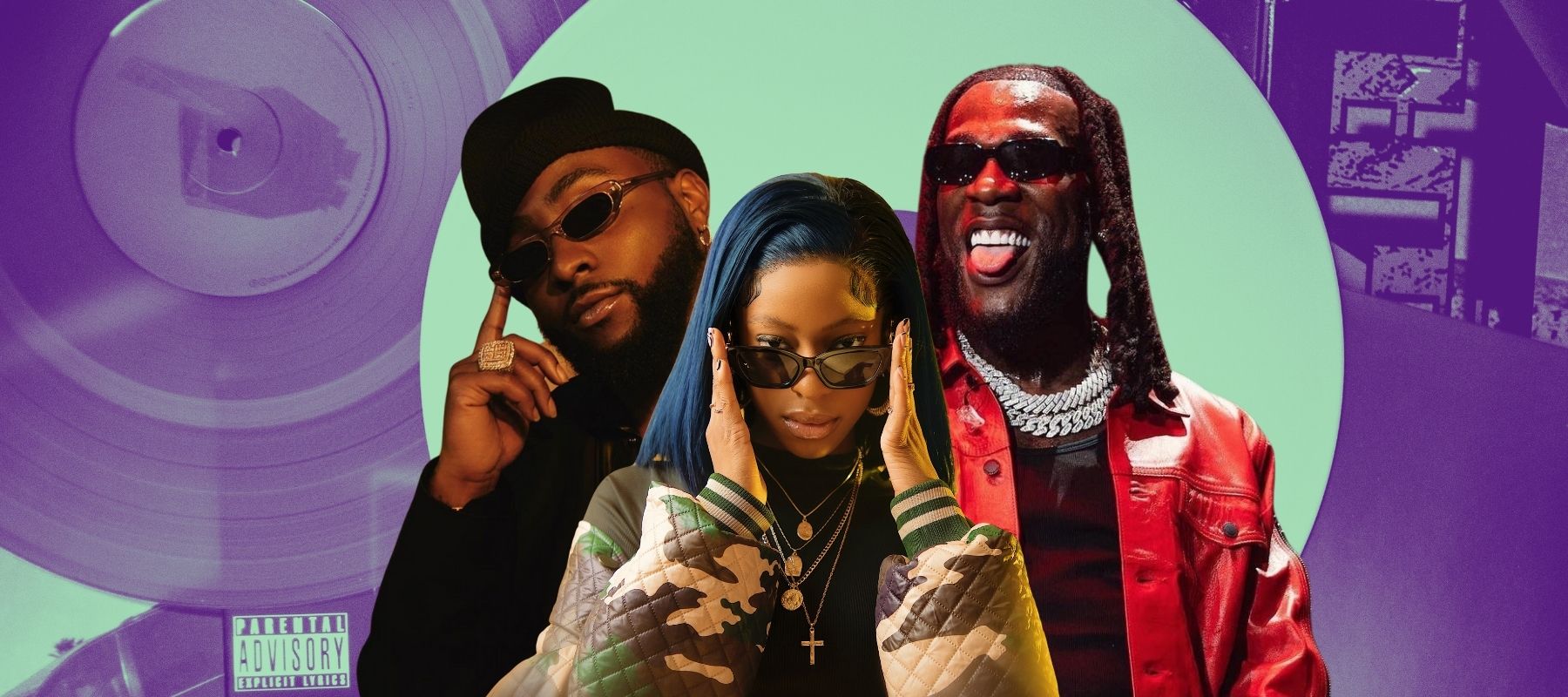
For years, we were told the album was dead. The playlists had taken over, attention spans had shrunk, and fans no longer had the patience to sit through full projects. The streaming age rewarded singles, TikTok rewarded snippets, and the industry rewarded whatever went viral. But now, something interesting is happening: the album is quietly making a comeback and this time, it feels intentional.
The truth is that the album never really died. It just lost its dominance in an era obsessed with immediacy. But music, like fashion, moves in cycles. As artists mature and fans crave depth again, the album is regaining importance as both a creative and cultural statement. You can see it in the way artists like Burna Boy, Ayra Starr, and even international acts like Kendrick Lamar and SZA approach their projects with cohesion, storytelling, and themes that stretch beyond singles.
This shift feels like a rebellion against the algorithm. For too long, streaming metrics dictated artistic choices. Artists dropped quick-fire singles, remixes, and EPs just to stay visible in the feed. But somewhere along the way, many began to feel trapped their music reduced to moments instead of movements. The album offers a way out: it allows space, identity, and purpose.
In 2025, albums are not just collections of songs; they’re worlds. When you listen to Asake’s Work of Art, you don’t just hear beats you hear Lagos life, street spirit, and spiritual undertones woven together. When Tems teases her debut full-length, the anticipation feels like an event, not a trend. These projects remind us why albums matter: they build experience, not just engagement.
But are fans ready to listen again? That’s the real question. The modern listener is distracted scrolling, skipping, multitasking. Yet, there’s growing evidence that audiences are rediscovering the joy of immersion. Vinyl sales are climbing globally. Fans talk about “album eras” again, curating playlists around complete projects. Even on streaming platforms, full-length listening sessions are increasing among younger listeners. Maybe the noise has reached its limit and people want meaning again.
There’s also a generational angle to this. Many Gen Z and Gen Alpha listeners didn’t grow up buying CDs or waiting for album drops; they grew up with constant access. But as digital fatigue grows, the idea of ownership and focus is becoming cool again. To sit down and listen to an album from start to finish no skips is now a small act of rebellion against the fast-paced world. It’s almost nostalgic, even if you’re too young to remember that era.
For artists, this return is empowering. An album gives room to explore identity, evolve sound, and show growth. Singles show what’s popular albums show who you are. The Afrobeats scene is embracing that philosophy more now than ever. Artists like Omah Lay with Boy Alone and Rema with Ravage crafted projects that feel personal and cinematic. They aren’t just chasing playlists; they’re curating experiences.
Still, the challenge remains: how do you make people care enough to listen through? The answer may lie in how artists tell their stories beyond the music. Visual rollouts, short films, concept art, and fan engagement are bringing the album era back with a modern twist. When artists treat albums as cultural experiences, not just products, they attract listeners who crave more than viral hits.
From my perspective, this resurgence is not just musical it’s emotional. We’re in a world overwhelmed by fragments: clips, quotes, and reels. The album offers wholeness. It invites stillness and connection. It’s not background noise; it’s foreground art. When you sit with a full body of work, you allow yourself to enter the artist’s world and that intimacy is something we’ve missed.
But I also think the “return” of the album doesn’t mean singles will disappear. They’ll coexist just differently. Singles will still serve as entry points, but albums will reclaim their position as milestones. The hit still matters, but so does the journey. Artists who find the balance between both say, dropping a few strong singles but wrapping them into a cohesive story will define the new standard.
Ultimately, the album’s revival speaks to a deeper cultural hunger. People want something that lasts longer than a scroll. They want bodies of work that feel timeless, even in a time when everything feels disposable. Maybe fans are ready to listen again not because they’ve changed, but because they’re tired of noise.
In an age where attention is the new currency, the album demands something radical your time. And maybe that’s what makes it powerful again. Because while a single can spark a moment, an album builds a legacy.
So, yes, the album is back not as a format, but as a feeling. And if we’re lucky, maybe this time we’ll listen.
Leave a Reply