
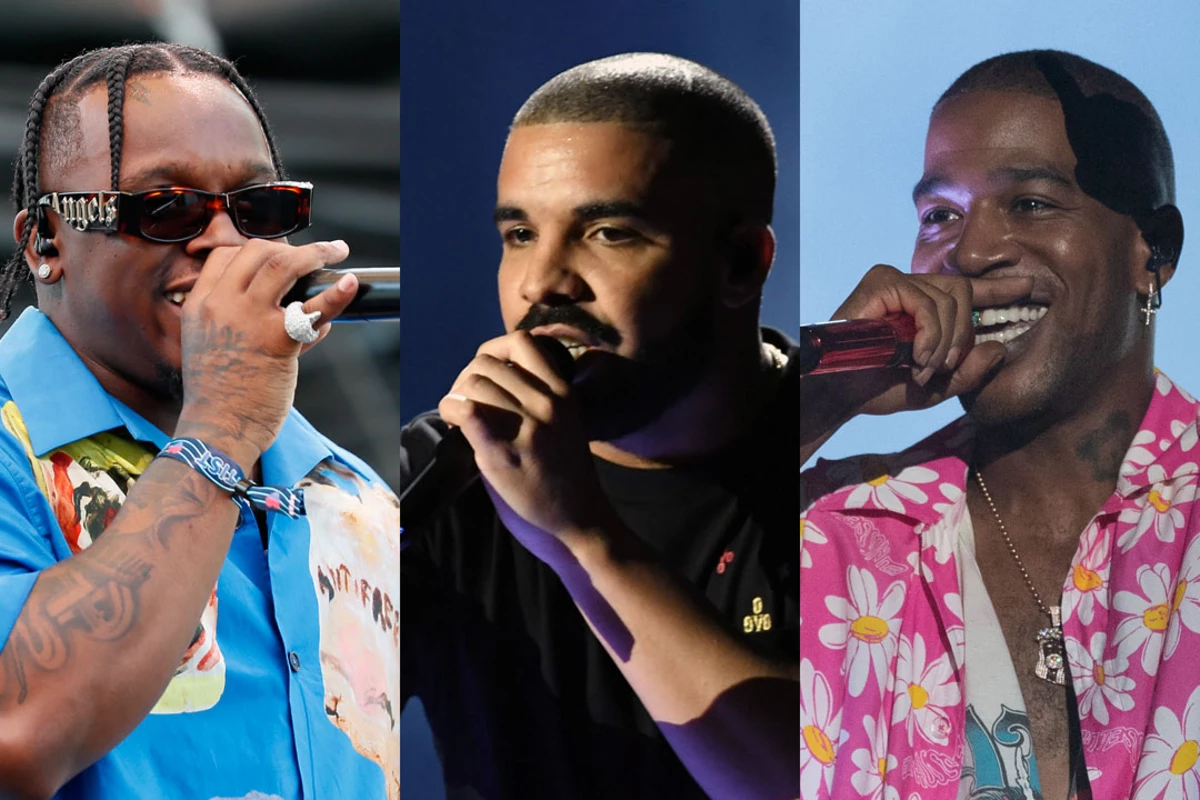
There was a time when the lines in music were clear, rappers rapped, singers sang, and producers stayed behind the boards. But somewhere between Drake’s emotional confessions, Burna Boy’s melodic growls, and Blaqbonez’s swagger-laced harmonies, those boundaries began to blur. Today, we live in an era of hybrid artists rappers who sing, singers who rap and it’s redefining what it means to make music in the modern age.
This new wave is not just about versatility; it’s about evolution. The hybrid artist has become the voice of a generation that refuses to be boxed in. Genre, tone, and delivery are now fluid, the lines between melody and rhythm have dissolved into something more expressive, more human. In a time where emotion drives connection, artists are no longer afraid to blend aggression with vulnerability, or rhythm with melody.
The hybrid movement is everywhere from Lagos to London, from Atlanta to Johannesburg. In Nigeria, you can see it clearly in artists like Blaqbonez, who seamlessly switches between punchlines and melodies, or Odumodublvck, whose rap cadence often carries the emotional tone of a singer. Rema does it too though he leans pop, his delivery dances on trap-like patterns, fusing softness and grit in one voice. It’s artistry that bends rules, not just follows trends.
So, what’s driving this? A few things. First, the digital era democratized sound. With access to affordable recording tools, artists no longer need to fit into label-defined genres. They can experiment, record, and distribute whatever feels authentic. The younger generation grew up hearing everything hip-hop, R&B, Afrobeats, trap, reggae and naturally, their sound became a mix of it all.
Second, audiences have changed. Fans don’t consume music through rigid genre loyalty anymore. Playlists blend everything. A listener can go from Asake to Drake to Amaarae in one scroll. That fluid listening experience has encouraged artists to mirror that diversity in their own sound. The hybrid artist thrives because the modern listener is hybrid too.
There’s also the emotional factor. Singing adds melody and feeling; rapping adds rhythm and intensity. When an artist fuses both, they unlock a wider emotional range. That’s why when Burna Boy raps melodically on “Ye” or when Omah Lay floats between spoken rhythm and sung emotion, it resonates deeply it feels real, dynamic, unpredictable. It sounds like life itself: messy, layered, expressive.
But make no mistake being a hybrid artist isn’t about showing off versatility; it’s about survival. In a crowded streaming landscape where millions of songs drop every week, artists need distinction. The ability to both rap and sing open multiple lanes for expression and engagement. It lets an artist dominate a rap cypher today and top an R&B chart tomorrow.
Still, this blending comes with challenges. Purists in hip-hop or R&B sometimes dismiss hybrids as “genre confused” or “too experimental.” The reality is many of these artists are not trying to prove technical mastery they’re trying to express something that doesn’t fit neat categories. As Blaqbonez once said in an interview, “I’m not a rapper or singer I’m an artist.” That’s the real point. The labels matter less than the feeling.
The hybrid trend also reflects something deeper about African music’s global journey. Afrobeats has always been genre-fluid. It borrows freely from highlife, reggae, hip-hop, and dancehall, and that fusion has always been its power. Artists like Burna Boy, Tems, and Odumodublvck are not imitating global sounds; they’re expanding them. The African hybrid isn’t just blending they’re redefining what fusion itself means.
From a personal perspective, I see this movement as the most exciting creative shift in modern music. It’s liberating. The idea that you can drop a verse with attitude and then slide into a vulnerable hook without apology is powerful. It reflects how younger artists see themselves complex, emotional, multidimensional. They don’t need to “pick a lane” because they are the lane.
It also pushes the industry to evolve. Labels, producers, and marketers now have to adapt to artists who refuse to be typed. A hybrid artist might drop an amapiano-infused rap single one week and a moody alt-R&B track the next. The strategy isn’t about genre consistency; it’s about personality consistency. Fans now follow artists, not categories.
Perhaps that’s what makes this era so thrilling: the unpredictability. No one knows what the next sound will be only that it will blend something we didn’t expect. The hybrid artist isn’t trying to fit into the market; they’re expanding it.
The rise of hybrid artists marks a cultural turning point. It’s proof that music, like identity, is no longer binary. It’s fluid, expressive, and personal. The walls between rap and singing have fallen and what’s rising in their place is freedom.
So, the next time you hear a rapper croon or a singer drop a bar, don’t call it confusion. Call it evolution. Because in the end, that’s what artistry has always been the courage to sound like yourself, even when no one knows what to call it.

Leave a Reply