
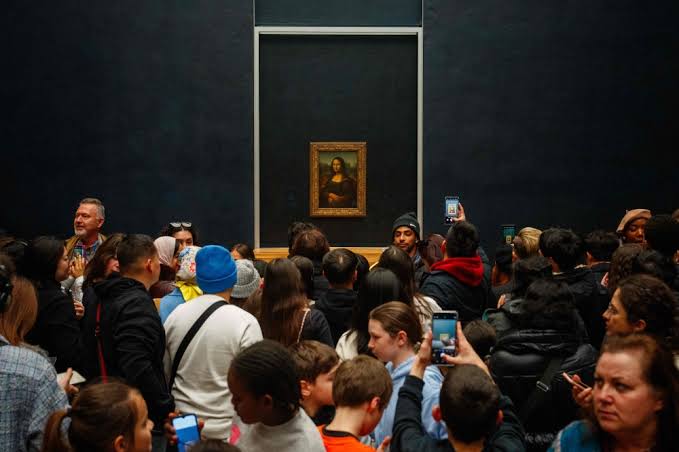
A Russian court has rejected a copyright claim over a series of AI-generated images depicting the Mona Lisa and the Statue of Liberty, ruling that the works were the product of a technical process rather than human creativity and therefore do not qualify for copyright protection. The decision adds to the growing body of international case law addressing the legal status of content created using generative artificial intelligence.
The case centered on whether images produced through text prompts entered into an AI image-generation system could be considered original works of authorship. The claimant argued that the prompts and creative direction behind the images were sufficient to establish copyright ownership. However, the court concluded that the human contribution did not meet the threshold required for copyright protection because the final expressive elements were primarily generated by the AI system rather than created directly by the user.
In its reasoning, the court distinguished between creative expression and technical instruction, finding that text prompts function more as commands or ideas than as protected artistic expression. While prompts may influence the output, the court held that they do not, on their own, amount to the level of intellectual creativity necessary to establish authorship under copyright law.
The ruling reflects a broader trend in courts and copyright offices around the world, many of which have emphasized that copyright protection generally requires meaningful human authorship. Similar decisions in several jurisdictions have reinforced the principle that works generated autonomously by artificial intelligence, without sufficient human creative input, are unlikely to qualify for copyright protection.
Legal experts say the decision could influence future disputes involving AI-generated art, music, writing, and other creative works as governments continue to grapple with rapidly evolving artificial intelligence technologies. The case also highlights the growing distinction courts are making between using AI as a creative tool under human direction and AI systems independently generating expressive content.
As the use of generative AI continues to expand across the creative industries, questions surrounding authorship, ownership, and copyright remain at the center of legal debates worldwide. The Russian court’s decision adds another significant precedent to that discussion, underscoring the increasingly common judicial view that technical input alone is not enough to establish copyright where human creativity is deemed insufficient.