
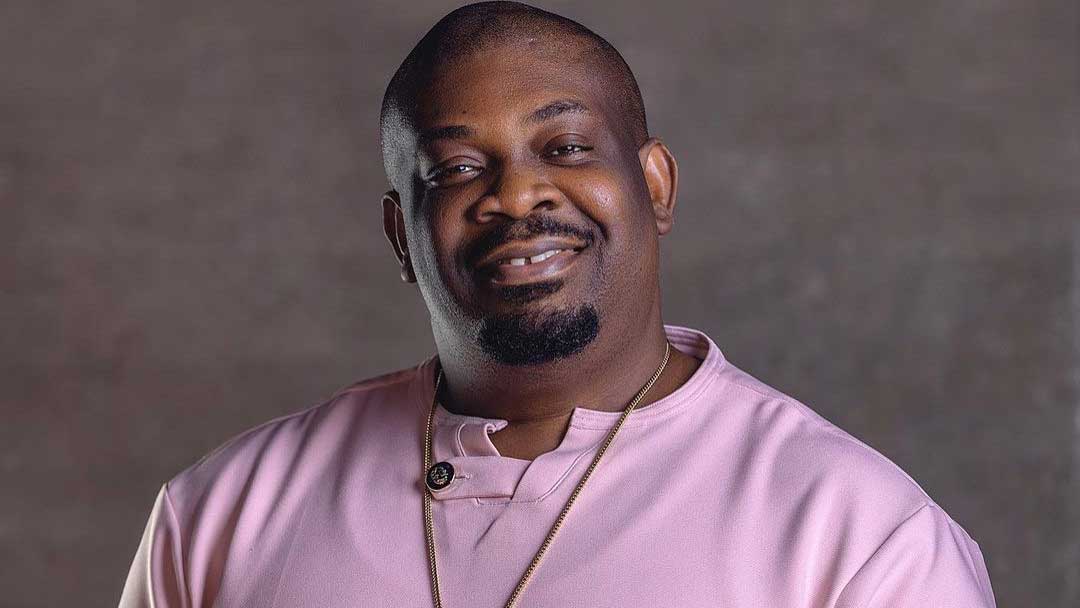
In the story of Afrobeats, there are stars and then there are the people who build the stage those stars stand on.
Don Jazzy born Michael Collins Ajereh belongs firmly in the latter category.
For over two decades, he hasn’t just made hits. He’s engineered systems, shaped sound, and quietly constructed one of the most influential music ecosystems in Africa. If Afrobeats is now a global force, Don Jazzy is one of the architects who made it scalable.
The Mo’ Hits Blueprint
Before the global charts, before streaming dominance, there was a movement.
In the mid-2000s, Don Jazzy co-founded Mo’ Hits Records with D’banj, a partnership that would redefine Nigerian pop music.
Together, they delivered a run of era-defining records:
- “Tongolo”
- “Suddenly”
- “Fall in Love”
- “Oliver Twist”
These weren’t just hits, they were cultural exports. “Oliver Twist” in particular broke into international charts, signaling that Nigerian pop could travel.
More importantly, Mo’ Hits introduced something the industry lacked at the time:
Consistency. Branding. Structure.
It was Nigeria’s first real “hit factory.”
Collapse, Then Reinvention
When Mo’ Hits dissolved in 2012, it could have marked the end of an era.
Instead, it became the beginning of a bigger one.
Don Jazzy returned with Mavin Records a label that didn’t just aim to replicate past success, but to expand it.
This time, the vision was clearer:
- Build a roster, not just a duo
- Develop artists long-term
- Create a sustainable pipeline of hits
And it worked.
The Talent Factory
Under Mavin, Don Jazzy didn’t just sign artists, he built careers.
From the soulful rise of Tiwa Savage to the global breakout of Rema and the Gen-Z dominance of Ayra Starr, Mavin became a pipeline for talent that could compete on a global stage.
Each artist came with:
- A clear identity
- Strategic rollout
- International positioning
This wasn’t accidental. It was design.
The Sound of Modern Afrobeats
As a producer, Don Jazzy helped shape what Afrobeats sounds like today.
His approach emphasized:
- Clean, polished production
- Catchy, repeatable hooks
- A fusion of African rhythms with pop and R&B sensibilities
At a time when the industry was still finding its sonic identity, his work made Afrobeats more accessible without losing its core.
That balance became the blueprint.
Beyond the Studio
What separates Don Jazzy from many of his peers is his reach beyond music.
He’s not just a producer or executive, he’s a brand.
Through social media, he cultivated a persona that is:
- Relatable
- Humorous
- Directly connected to fans
In doing so, he changed how audiences see music executives in Africa.
No longer distant figures behind the curtain they became visible, influential, and culturally relevant.
Building for the Global Stage
As Afrobeats expanded beyond the continent, Don Jazzy’s approach proved crucial.
Through partnerships, strategic releases, and artist positioning, Mavin became one of the labels helping to bridge:
- Local culture
- Global markets
His artists weren’t just successful in Nigeria. They were export-ready.
Not the Beginning but the Engine
Afrobeats didn’t start with Don Jazzy.
The roots go deeper through pioneers like Fela Kuti and early 2000s innovators who laid the groundwork.
But what Don Jazzy did was different.
He took a growing sound and helped turn it into:
- An industry
- A system
- A scalable global product
The Legacy in Motion
Today, Afrobeats is everywhere:
- On global charts
- In international collaborations
- Across streaming platforms
That visibility didn’t happen by accident.
It was built layer by layer by people who understood both the culture and the business.
Michael Collins Ajereh ( Don Jazzy) is one of those people.
Don Jazzy didn’t just produce music. He produced infrastructure.
From Mo’ Hits to Mavin, from local hits to global stars, his influence runs through every phase of Afrobeats’ modern evolution.
Not the loudest voice. But one of the most important.
And in the story of African music’s global rise, his role isn’t just significant, It’s foundational.