
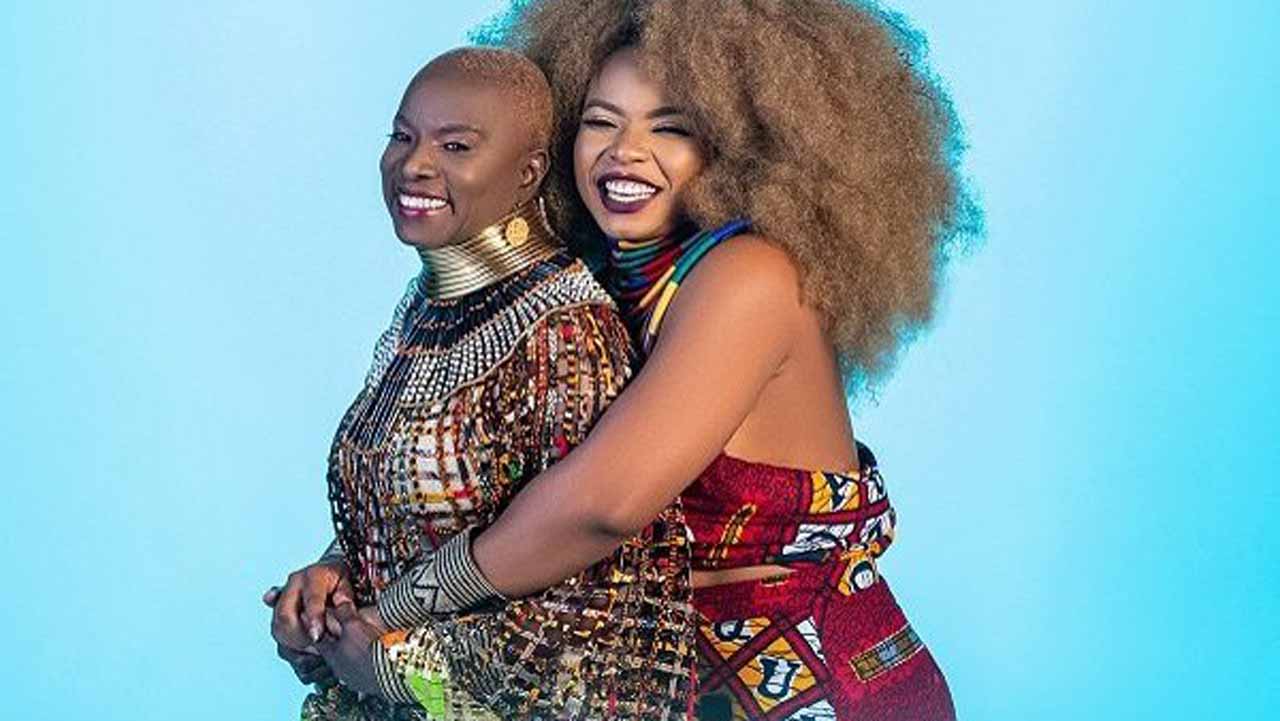
There was a time when features were strategic but occasional.
A guest verse here. A remix there. Something to extend a record’s life or bring two fanbases together for a moment. Today, that moment has become a system.
Welcome to the feature economy where collaboration isn’t just creative expression, it’s competitive advantage.
In a global, always-on music landscape, artists are no longer operating in isolation. They’re building networks. Aligning audiences. Expanding reach through each other. And at the center of that expansion is the feature: a calculated intersection of sound, identity, and audience.
Because in this era, access is everything.
A single collaboration can open doors to entirely new markets. A Nigerian artist taps into Latin pop. A UK rapper crosses into American hip-hop. A rising act secures a verse from an established name and suddenly shifts from local buzz to global visibility. The feature becomes more than a musical addition it becomes distribution.
And platforms like Spotify and Apple Music amplify that effect.
When a song drops with multiple artists, it doesn’t just live in one ecosystem, it spreads across all of them. Multiple fanbases. Multiple algorithmic pathways. Multiple entry points for discovery. Each artist brings their own audience, and the track becomes a shared asset.
That’s leverage.
But the feature economy isn’t just about numbers it’s about positioning.
Who you collaborate with signals where you’re going. It shapes perception. It places you within certain conversations. A well-timed feature can rebrand an artist, elevate their status, or align them with a new sound entirely.
In that sense, features function like cultural co-signs.
They say: this artist belongs here.
And in an industry where perception moves as fast as sound, that kind of validation carries weight.
There’s also a creative evolution happening within this system.
Genres are dissolving. Boundaries are blurring. Collaboration has become the fastest way to experiment without fully committing to a shift. An Afrobeats artist can step into trap for a verse. A pop act can explore amapiano textures. A rapper can lean into melody alongside an R&B singer.
The result is a more fluid, hybrid soundscape, one shaped as much by collaboration as by individual vision.
But like any system, the feature economy comes with trade-offs.
Oversaturation is one.
When everyone is collaborating with everyone, distinction becomes harder to maintain. The uniqueness of a feature can fade if it feels transactional rather than intentional. Listeners can tell the difference between chemistry and convenience.
And that’s where the real advantage lies.
Not in the quantity of collaborations, but in the quality of alignment.
The most impactful features feel natural. They add something. They create moments that couldn’t exist otherwise. Think of the records where both artists elevate each other where the collaboration becomes bigger than either name alone.
That’s when it works.
That’s when it lasts.
There’s also a business layer to all of this.
Features extend catalog life. They boost streaming performance. They create multiple revenue streams from a single record. In a system where output is constant and attention is fragmented, collaboration becomes a way to maximize both visibility and return.
It’s efficient.
It’s scalable.
And it’s increasingly essential.
For emerging artists, features offer acceleration. For established acts, they offer reinvention. For the industry as a whole, they represent a shift from competition to co-opetition where working together can be more powerful than standing alone.
Because the game has changed.
It’s no longer just about who has the biggest song.
It’s about who can connect the most dots.
And in the feature economy, every collaboration is a new line drawn between sounds, cultures, and audiences that might not have met otherwise.
That’s not just strategy.
That’s the future of how music moves.