
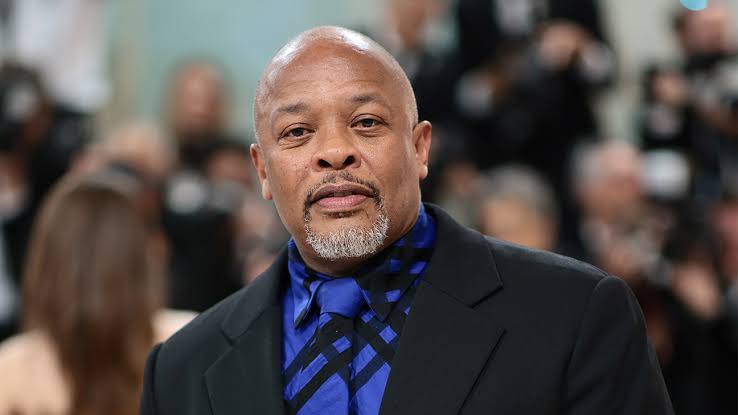
For years, it felt like an inevitability. The architect behind some of hip-hop’s most defining sounds, the man who helped shape the careers of Eminem, 50 Cent, and Kendrick Lamar, had long operated at a level that blurred music, business, and culture. Now, it’s official Dr. Dre is a billionaire.
According to Forbes’ 2026 Billionaires List, Dre’s net worth has crossed the $1 billion mark, earning him a place among the world’s wealthiest figures and making him one of the very few musicians to ever reach that level.
This moment carries a certain poetic weight. More than a decade ago, in the wake of the now-iconic Beats by Dre sale to Apple, Dre prematurely celebrated becoming hip-hop’s first billionaire. The $3 billion deal was historic, but the numbers didn’t quite add up yet.
Now, the math finally does.
What pushed Dre over the line isn’t just one moment, but a lifetime of calculated moves. His wealth is rooted in three key pillars: music ownership, tech innovation, and long-term equity plays. After building Aftermath Entertainment into a powerhouse label and co-founding Beats Electronics in 2006, Dre positioned himself at the intersection of culture and consumer tech a space few artists had even imagined at the time.
The Beats deal remains central to the story. When Apple acquired the company in 2014, it wasn’t just buying headphones, it was buying cultural currency. Dre, alongside Jimmy Iovine, had turned a product into a status symbol, embedding it into hip-hop, sports, and youth identity worldwide. That acquisition became one of the most important artist-led business exits in modern music history.
But Dre’s billionaire status isn’t just about money, it’s about blueprint.
In hip-hop’s early days, success was measured in album sales and chart positions. Dre helped redefine that metric. Like Jay-Z, who remains the richest rapper through a diversified empire, Dre represents a different lane: the producer as mogul, the behind-the-scenes genius who leveraged influence into ownership.
Together, they symbolize a shift in the culture where the real win isn’t just making hits, but owning the systems that distribute, amplify, and monetize them.
Dre’s arrival at billionaire status also comes at a time when the definition of a music career is expanding globally. From Afrobeats to Latin pop, artists are now thinking beyond streams into partnerships, tech, fashion, and equity. In that sense, Dre’s journey feels less like a personal milestone and more like a roadmap the rest of the industry is still catching up to.
It took decades. It took reinvention. It took vision beyond the studio.
But Dr. Dre didn’t just become a billionaire, he helped redefine what that even looks like in music.