
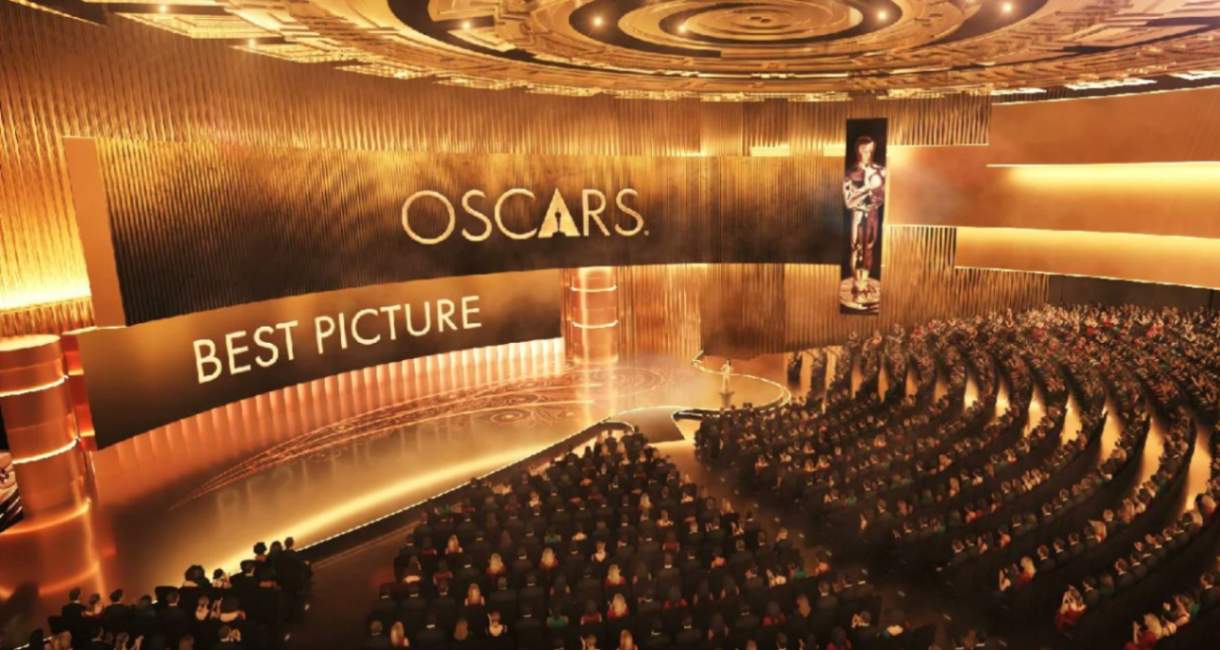
For over two decades, the Dolby Theatre on Hollywood Boulevard has served as the symbolic heart of the film industry’s biggest night. The red carpet, the flashing lights, the crowds pressed against barricades it all fed into a single idea: that Hollywood was still the center of cinema.
Now, that idea is quietly being rewritten.
Beginning in 2029, the Academy Awards will move from the Dolby Theatre to the Peacock Theater at L.A. Live in Downtown Los Angeles, ending a 25+ year run in the very district that gave the industry its name. On paper, it’s a venue change. In reality, it feels like something deeper, a subtle but undeniable shift in where power, culture, and attention now live.
Because the truth is, Hollywood as a place hasn’t held the same weight it once did.
The film industry has been decentralizing for years. Productions shoot in Atlanta, Vancouver, London, and Lagos. Streaming platforms have dissolved geographical boundaries. The idea of “making it in Hollywood” has become less about location and more about access, access to platforms, audiences, and global distribution pipelines.
Moving the Oscars downtown reflects that evolution.
L.A. Live is not just another venue. It represents a more modern, corporate, and globally connected version of entertainment. It’s built for scale bigger audiences, larger productions, integrated media experiences. It aligns more naturally with how the industry now operates: less nostalgic, more infrastructural.
There’s also a commercial reality behind the decision. The Peacock Theater offers more flexibility, better logistics, and a space designed for large-scale, multi-platform events. In an era where award shows are fighting declining TV ratings and trying to stay culturally relevant, the Oscars can no longer rely on tradition alone. They need reinvention.
And that reinvention is already happening.
The ceremony’s reported shift toward digital distribution including streaming-first strategies suggests the Academy is thinking beyond the traditional broadcast model. The move away from Hollywood Boulevard, paired with these digital ambitions, paints a clear picture: the Oscars are repositioning themselves for a new era of consumption.
But there’s a symbolic cost.
Hollywood Boulevard wasn’t just a location, it was mythology. It represented the old promise of cinema: stars, studios, and a singular industry capital. Leaving it behind, even partially, feels like closing a chapter on that version of the dream.
At the same time, it opens another.
Downtown Los Angeles reflects a different kind of entertainment ecosystem, one that is more diverse, more interconnected, and arguably more in tune with the global nature of film today. It’s less about legacy and more about movement.
For filmmakers outside the traditional Hollywood system, this shift feels aligned with reality. The industry they are part of is already borderless. Stories are no longer filtered through a single city. Recognition, increasingly, isn’t either.
The Oscars moving downtown doesn’t suddenly globalize the Academy but it does acknowledge, in a quiet way, that the center has already started to move.
And maybe that’s what this really is.
Not a departure from Hollywood, but an admission that Hollywood itself has changed.
The stage is different now. The audience is bigger. The industry is wider.
And the Oscars, whether by necessity or design, are finally catching up.