
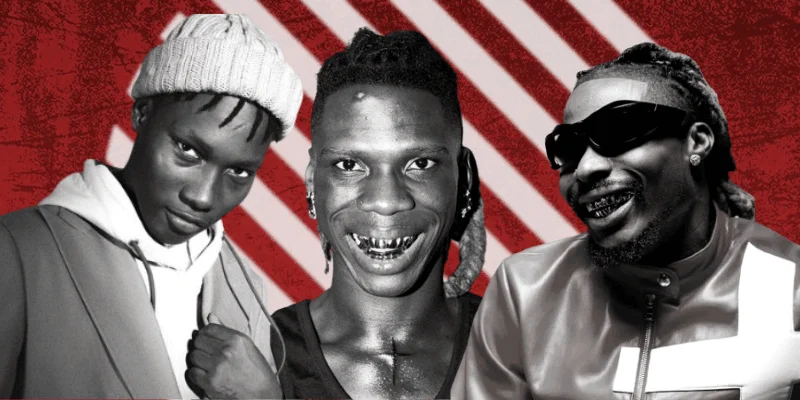
Street Prayers & Club Beats: How Afro-Adura Became Nigeria’s Next Big Sound
If Afrobeats is the champagne in Lagos’ VIP lounge, Afro-Adura is the palm wine poured under the streetlight. It’s gritty, spiritual, emotional and very Nigerian. It’s music for people who hustle hard, pray harder, and still want to dance before sunrise. Call it the sound of the trenches with incense on it the next wave after Afrobeats, born from struggle and spirit.
So, What Exactly Is Afro-Adura?
“Adura” means prayer in Yoruba, and this genre wears that name like a chain. Afro-Adura is street-pop’s more reflective cousin a mix of Afrobeats, trap, fuji and gospel undertones, delivered with raw emotion and coded street wisdom. The beats are familiar: rolling drums, melancholic piano chords, and call-and-response hooks. But the lyrics? They’re personal sermons.
A Seyi Vibez verse can switch from brag to benediction in a heartbeat. A Diamond Jimma chorus can sound like both heartbreak and hallelujah. And when M3lon drops “Nepa”, lamenting Nigeria’s power cuts, it feels like every listener nod through candlelight.
Afro-Adura is music for the daily believer the hustler, the dreamer, the street philosopher who sees God in chaos.
Why It’s Blowing Up Now
Let’s be honest Nigeria’s current mood is tailor-made for Afro-Adura. The economy’s tight, the streets are loud, and the average 20-something is balancing anxiety with ambition. You can’t separate faith from survival here; they’re two sides of the same coin. So, naturally, the sound of the moment is one that prays and protests at the same time.
In a world full of “vibes and cruise,” Afro-Adura whispers: we’re still fighting, but God’s still good. It’s the sonic equivalent of those Twitter rants about inflation, followed by a “God abeg” at the end.
Producers and listeners alike are leaning into this emotional realism. The youth want truth not TikTok choreography. Afro-Adura gives that: familiar Afrobeats bounce, but laced with struggle, slang, and spirituality.
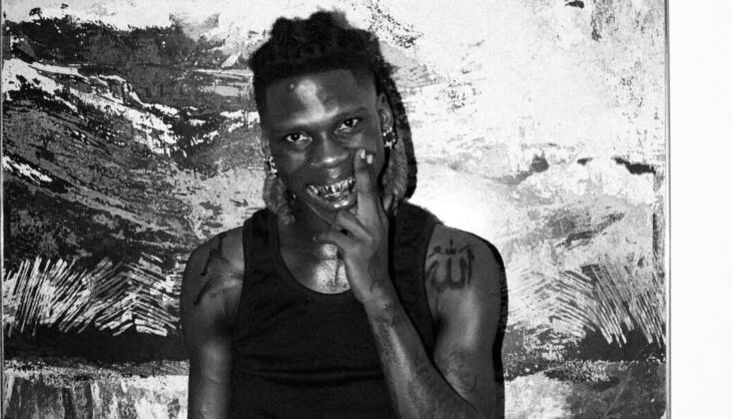
The Faces of the Movement
If you need a face for this sound, start with Seyi Vibez. His records blend street poetry and divine desperation like someone shouting prayer points through Auto-Tune. He’s become the unofficial prophet of the new generation.
Then there’s Bhadboi OML, Diamond Jimma, and Mohbad (RIP) each turning real pain into melodic faith. Even Asake, on “Peace Be unto You (PBUY)”, dipped into Adura energy, layering gospel chants on a club rhythm.
These are artists from the same Lagos-Ibadan corridors that birthed Fuji, Street-Pop, and Afro-Swing. They’re not chasing perfection they’re chasing peace, and that honesty sells.
Afro-Adura’s Secret Sauce: Hope + Hustle + Heartbreak
The formula is simple but heavy:
-
Hustle: Street-smart lyrics about grinding through impossible odds.
-
Hope: Constant reminders that grace still works “God go run am.”
-
Heartbreak: Romantic or societal because even the strongest hustler catches Ls.
It’s why Afro-Adura songs hit harder than imported trap or sugar-coated pop. They sound earned.
The production also leans minimal: percussion-led, emotional keys, soft horns. Think prayer at dawn, not champagne at dusk. It’s a vibe that translates from car speakers to church steps and that’s powerful.
What It Says About Nigerian Music
Afro-Adura is proof that the global Afrobeats high is evolving into something more local, spiritual, and complex. We’ve exported the party; now we’re exporting the pain and persistence too.
Where early Afrobeats chased crossover success, Afro-Adura isn’t desperate for validation. It’s inward-looking, grounded, and community driven. These artists don’t dream of Grammys first they dream of feeding the hood, buying mama a shop, and staying alive.
That authenticity is refreshing. It’s why the genre’s growing faster than many expected.
But Is It Sustainable?
Maybe but only if the message doesn’t become a gimmick. If everyone starts faking “street struggle” for streams, the genre loses its soul. Afro-Adura thrives on authentic experience, not aesthetics.
The danger is in over-commercialization when every other artist starts sprinkling “God abeg” and “Oloun ma je” just to sound deep. But the real ones the Seyi Vibez and Diamond Jimma have built something spiritual, and that can’t be easily copied.
Afro-Adura isn’t a sound you dance to it’s one you feel. It’s where faith meets fatigue, where the street finds sanctuary.
It’s the prayer whispered between generator hums, the hope scribbled in the notes app at 3 a.m., the soundtrack to Nigeria’s resilience.
Afrobeats took Nigeria global. Afro-Adura might just take Nigerians home back to the heart, the hustle, and the holy noise of the street.

Leave a Reply