
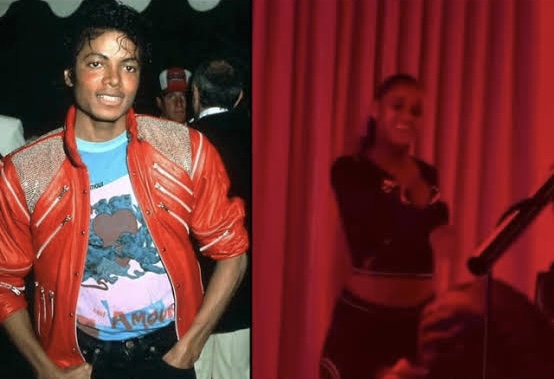
The estate of Michael Jackson has publicly expressed that it is “deeply disappointed” following the release of a sexually explicit remix of “Beat It” by Sexyy Red. The controversy has sparked heated debate online, with fans divided over artistic freedom, legacy protection, and the boundaries of sampling iconic records.
According to statements attributed to the estate, representatives believe the remix’s sexually charged lyrics and tone conflict with the original spirit of “Beat It,” one of Jackson’s most celebrated records. The 1983 classic, originally featured on the landmark album Thriller, is widely regarded as a cultural touchstone that blended pop and rock in a way that redefined mainstream music at the time. The estate reportedly feels that the reinterpretation undermines the integrity and message of the original song.
“Beat It” remains one of Jackson’s most recognizable hits, known for its anti-violence theme and groundbreaking guitar contribution from Eddie Van Halen. Because of its historic status, any reinterpretation especially one that significantly alters its lyrical direction inevitably attracts scrutiny from both rights holders and longtime fans.
Sexyy Red, known for her unapologetic and provocative style, has built her brand around bold expression and unfiltered lyricism. Supporters argue that remix culture has always involved reimagining classics through contemporary lenses, while critics contend that not all reinterpretations respect the legacy of the source material. The clash highlights an ongoing tension in today’s music industry: balancing creative reinvention with preservation of iconic catalogs.
The situation also raises questions about licensing, approval processes, and how estates manage the works of late legends in an era where sampling and remixing are central to pop and hip-hop production. While it remains unclear whether any legal action will follow, the public statement alone underscores how seriously the Jackson estate guards his musical legacy.
As the conversation continues to trend across social media, the debate extends beyond one remix. It touches on broader issues of artistic boundaries, ownership, and how modern artists engage with timeless classics. One thing is certain: decades after its release, “Beat It” still commands powerful cultural relevance and any reinterpretation is bound to make headlines.